
Free written scope consultation - allowances, timeline, and change-order rules on paper before a single trade is scheduled
Atlas Home Additions & ADU: The Fort Lauderdale Owner’s Guide
If you own an Atlas home addition or ADU in Fort Lauderdale and a component has failed, you’re likely looking at an installed replacement cost between $45,000 and $130,000 depending on the scope of the structural or finishing work involved. We stock and install Atlas-compatible materials for home additions and ADU projects throughout Fort Lauderdale, and we can usually diagnose what failed within the first visit. Most owners discover the problem through water staining on interior drywall, a door that suddenly binds in its frame, or an exterior seam that has opened up after a hurricane-season storm cycle.
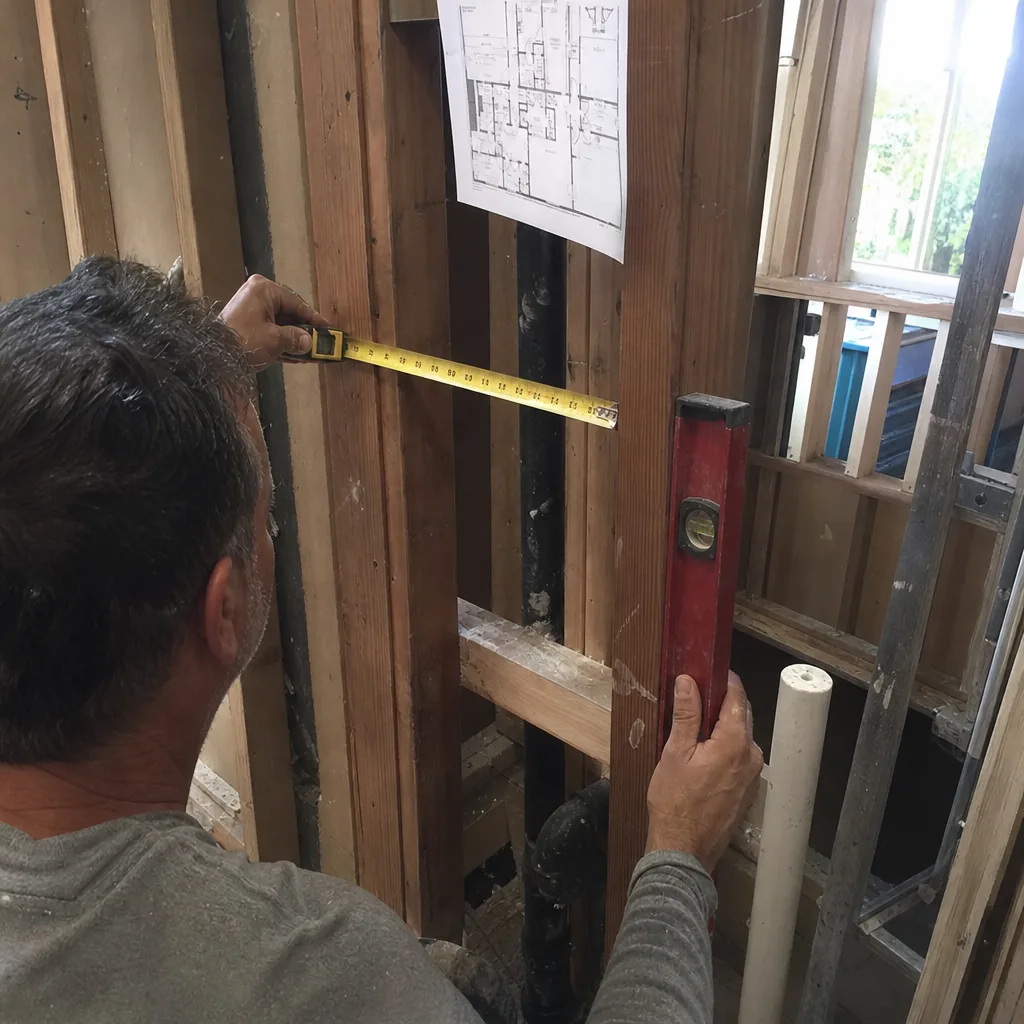
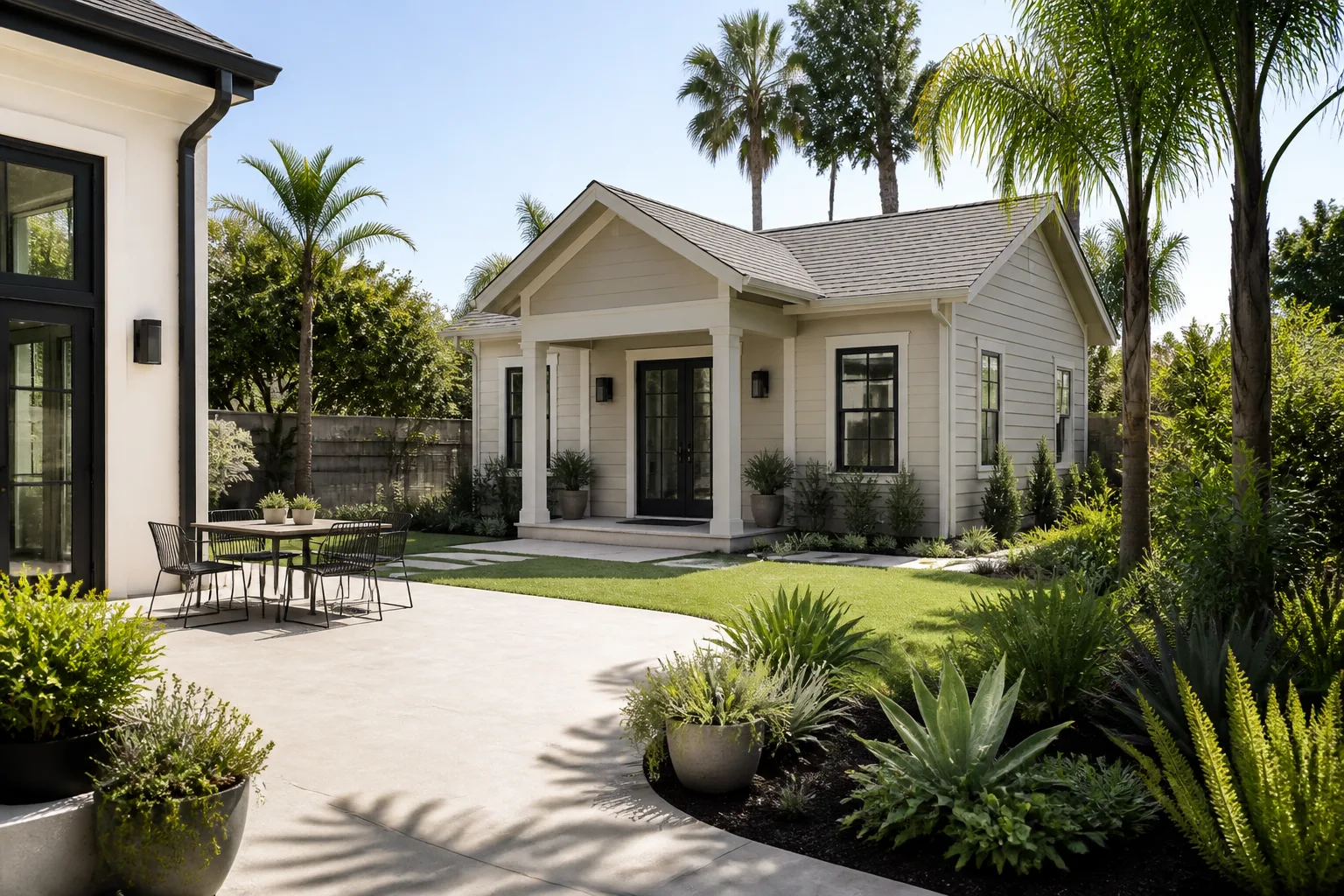
Atlas home additions and ADUs are built on a panelized framing system, which means the parts that fail are rarely the structural members themselves. What fails first, especially in South Florida humidity, is the flashing detail where the addition ties into the original roofline, the window and door rough openings, and the subfloor transition at the connection point. Trevor Nash has walked more than a few Fort Lauderdale homeowners through this exact diagnosis, and the fix is always more straightforward than the initial panic suggests.
Key takeaways:
- We are an independent Fort Lauderdale contractor, not affiliated with Atlas. We work on Atlas-built additions and ADUs because we understand their framing and flashing details.
- Most Atlas addition failures are weatherproofing or connection-point issues, not structural frame failures.
- You get a written price before any work starts, and a 365-Day Done Right Promise on the repair.
- Call (754) 551-2922 for a free estimate on your Atlas addition or ADU repair.
Which Atlas Models This Applies To
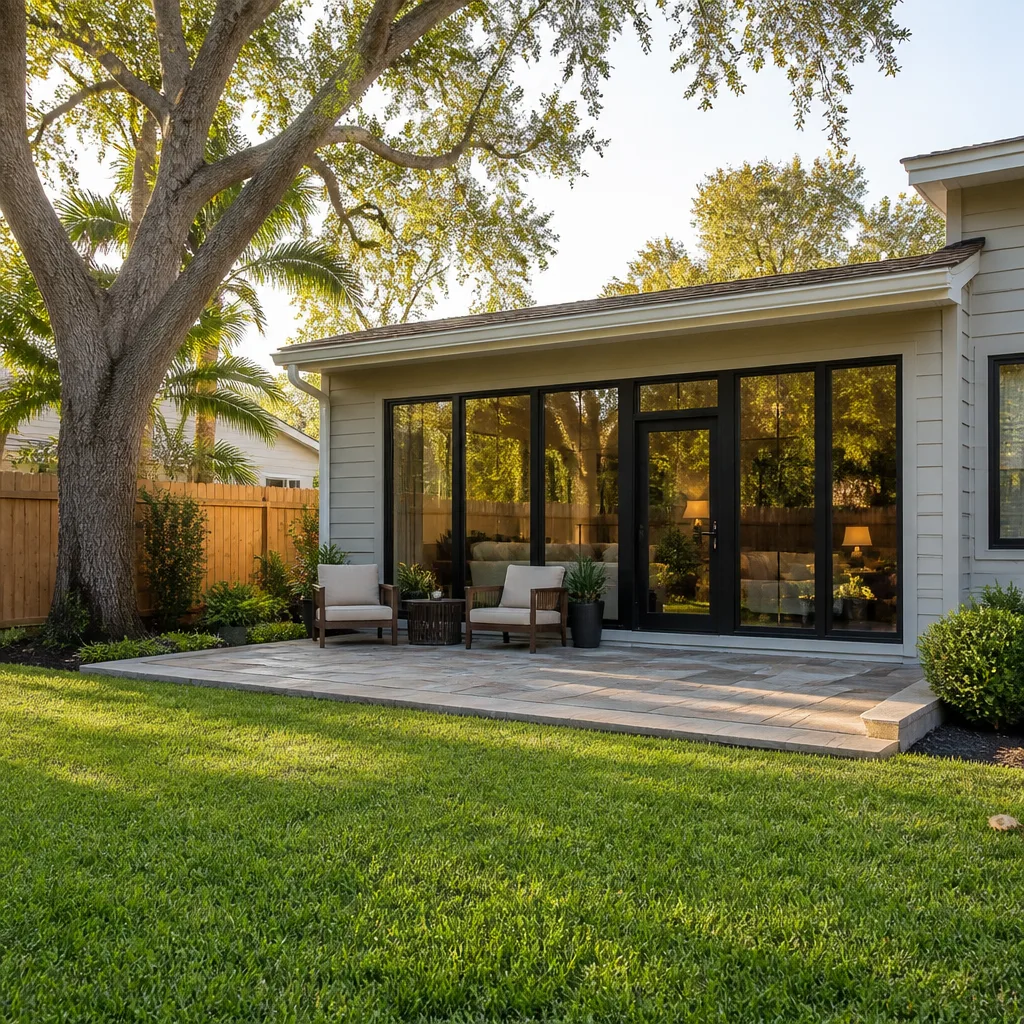
Atlas home additions and ADUs in Fort Lauderdale generally fall into one of three construction categories: site-built room additions built to Atlas specifications, factory-panelized ADU kits assembled on-site, and garage conversions completed under the Atlas design series. The compatibility issue most homeowners run into is not the framing itself, but the finish materials and flashing profiles that were specified at the time of the original build.
Here’s what to look for when identifying which parts your Atlas addition needs. Check the original permit documents or the builder’s plate, usually mounted inside the electrical panel door or on a foundation sill. Note the wall panel thickness, which is typically 2×4 or 2×6 framing with OSB or plywood sheathing. The window and door rough openings in Atlas additions are often sized for specific manufacturer units, and swapping in an off-the-shelf replacement without checking the rough opening dimensions will cause air and water infiltration within the first rainy season.
On the OEM versus aftermarket decision: for structural connectors, flashing, and tie-down hardware, we recommend matching the original Atlas specification or better. For finish materials like siding, trim, and interior drywall, quality aftermarket equivalents from manufacturers we trust, including James Hardie, KraftMaid, and Cambria, perform just as well and often carry their own warranties that layer on top of ours. The key is that the person installing them understands how Atlas details differ from standard South Florida residential construction.
Styles & brands we work with







Signs Your Atlas Home Addition or ADU Is Failing
Here are the five most common failure signs we see on Atlas additions and ADUs across Fort Lauderdale, from Victoria Park to Coral Ridge and out toward Plantation.
- Water staining on the ceiling where the addition meets the original house. This is almost always a failed flashing detail at the roof connection point. The metal flashing that Atlas specified was either never properly lapped or has corroded after years of salt air and afternoon thunderstorms.
- A door or window that suddenly sticks or won’t latch. In South Florida, this usually means the rough opening has shifted due to differential settling between the original foundation and the addition’s foundation. It can also signal moisture swelling in the framing around the opening.
- Visible cracks at the drywall seam where the addition wall meets the original exterior wall. Some hairline cracking is normal settlement. A crack wider than about 1/8 inch, or one that reappears within weeks of patching, points to an undersized connector or an improperly tied top plate.
- Musty odor inside the ADU after heavy rain. Water is getting into the wall cavity or under the floor assembly and not drying out. With Fort Lauderdale’s humidity, a small leak becomes a mold problem faster than most people expect, often within three to four weeks.
- Exterior siding or trim pulling away from the wall at the corners. This is typically a fastener failure. If the original installer used standard fasteners instead of hot-dipped galvanized or stainless steel, the salt air eats through them, and the siding starts to pull loose.
If any of these sound familiar, call us at (754) 551-2922. We’ll diagnose what failed and give you a written price before touching the structure.
See the difference
 Before
 After
After Before
 After
After Before
 After
AfterReplacement Cost & What’s Included
A full Atlas home addition repair or rebuild in Fort Lauderdale typically runs $45,000 to $130,000, while a garage conversion falls in the $30,000 to $80,000 range. Where your project lands depends on what actually failed. A flashing and weatherproofing repair at the roof connection point might run $4,000 to $8,000 including scaffolding and materials. Re-framing a failed wall section, replacing sheathing, and re-finishing the interior and exterior can push past $20,000 quickly.
Every quote we write includes the parts, the labor, the permit work if required, and the disposal of any failed materials. We don’t hand you a verbal ballpark and then change the number when the sheathing comes off. The written price we give before work starts is the number on your invoice. If something fails inside twelve months, the 365-Day Done Right Promise means we come back and fix it at no charge, in writing, on every project.
Materials behind our work include James Hardie siding, KraftMaid cabinetry, and Cambria quartz countertops where the project calls for them. These products carry their own manufacturer warranties, which sit alongside our 365-day guarantee rather than replacing it.
DIY or Call Us?
There are things you can safely check on your own, and there are things you should not touch. You can inspect the visible caulking and flashing around windows and doors on a dry afternoon. You can look for cracked or missing shingles at the roof connection point from the ground with binoculars. You can run a hose along the lower wall while someone watches the interior for water intrusion. Those checks help us diagnose faster when we arrive.
What you should not do is pull siding, open up a wall cavity, or attempt to re-flash a roof connection. That work involves ladders, roof transitions, and the possibility of water intrusion behind the repair. Done incorrectly, a minor flashing issue becomes a structural problem inside one hurricane season. Our technicians are background-checked, arrive in uniform, and have the right fasteners for South Florida’s salt air, which is more than half the battle on Atlas additions near the coast.
Call (754) 551-2922 to schedule a free estimate. Tell me what you need, I’ll tell you what it costs, then we’ll get it done.
FAQs
The structural framing of an Atlas addition should last 50 years or more when properly flashed and ventilated. In Fort Lauderdale’s climate, the vulnerable components are the flashing details, the fasteners, and any untreated wood, which typically need attention every 10 to 15 years due to salt air and humidity.
In most cases, yes. A failed roof connection point, a binding door, or a separated wall seam can usually be repaired without rebuilding the entire addition. We’ll assess the actual damage before recommending any scope of work, and you’ll always get a written price first.
A flashing and weatherproofing repair usually takes 2 to 3 days. A partial re-frame or connection-point rebuild can take one to two weeks depending on permit approval times. We’ll give you a defined arrival window and a realistic completion date before work starts.
We stock the fasteners, flashing profiles, and tie-down hardware that match Atlas addition specs, and we source any panelized components directly from the same supply channels on a per-project basis. For a recent job near Las Olas Boulevard, we had the needed hardware on hand the same day we diagnosed the issue. Call (754) 551-2922 for an exact quote, estimates are free.
Written by Trevor Nash, Owner, Penhallow Remodeling Fort Lauderdale at Penhallow Remodeling Fort Lauderdale, serving Fort Lauderdale and nearby areas.


