

Free written scope consultation - allowances, timeline, and change-order rules on paper before a single trade is scheduled
Sakrete Kitchen Remodeling: The Fort Lauderdale Owner’s Guide
We install and finish kitchen remodels built on Sakrete products throughout Fort Lauderdale, with most full kitchen remodels running $14,000 – $45,000 depending on cabinet line, countertop material, and how much wall work your layout needs. If you’re reading this, you’ve likely got a Sakrete product that’s failed or a remodel that’s stalled because the underlayment, mortar bed, or concrete patch didn’t cure the way it should have. Most owners discover the problem the same way: tile starts cracking at the corners, the cabinet base feels spongy, or the countertop has developed a hairline fracture running along the seam.
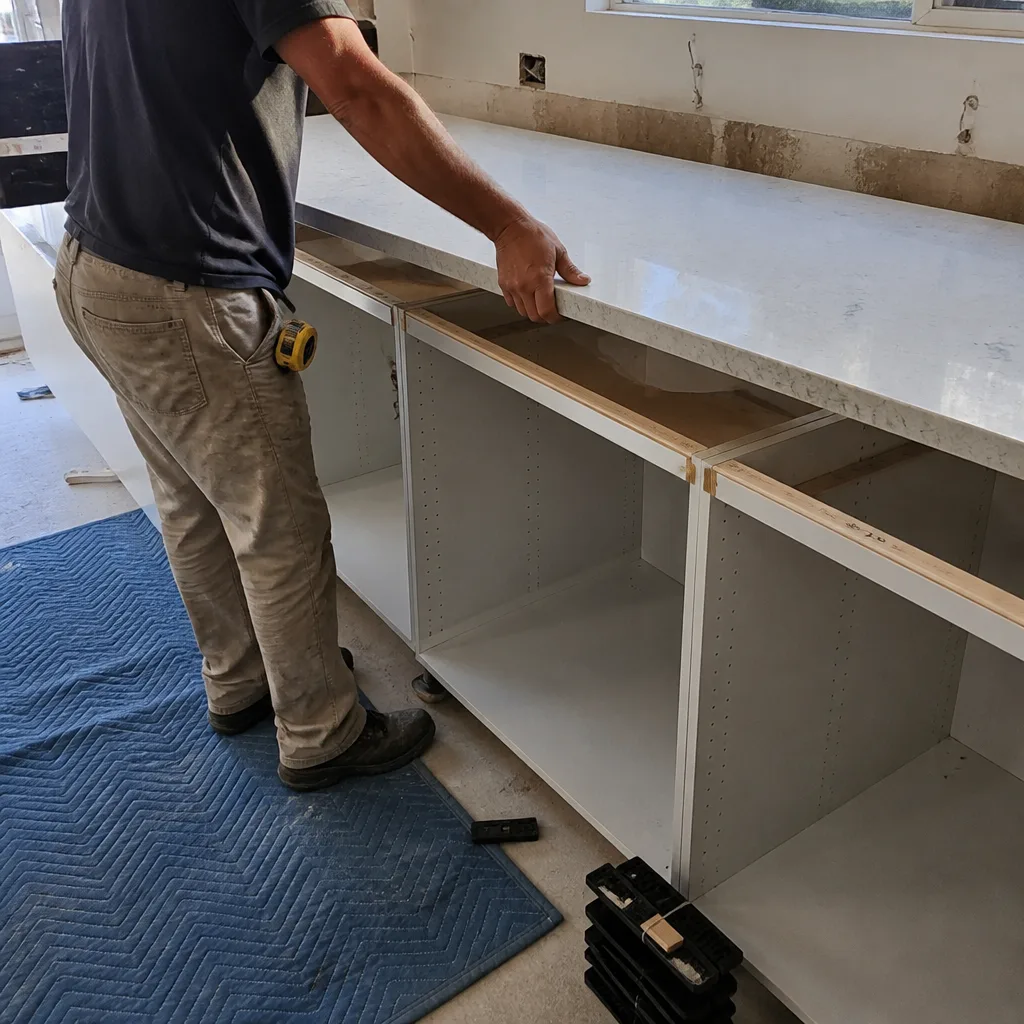
Here’s the honest version of what that means. Sakrete makes excellent concrete and mortar products, but South Florida humidity punishes any cementitious material that wasn’t mixed, cured, or applied correctly. We’re an independent Fort Lauderdale remodeling company, not affiliated with Sakrete, but we’ve torn out enough failed Sakrete installations to know exactly what went wrong and how to fix it so it stays fixed.
Which Sakrete Models This Applies To
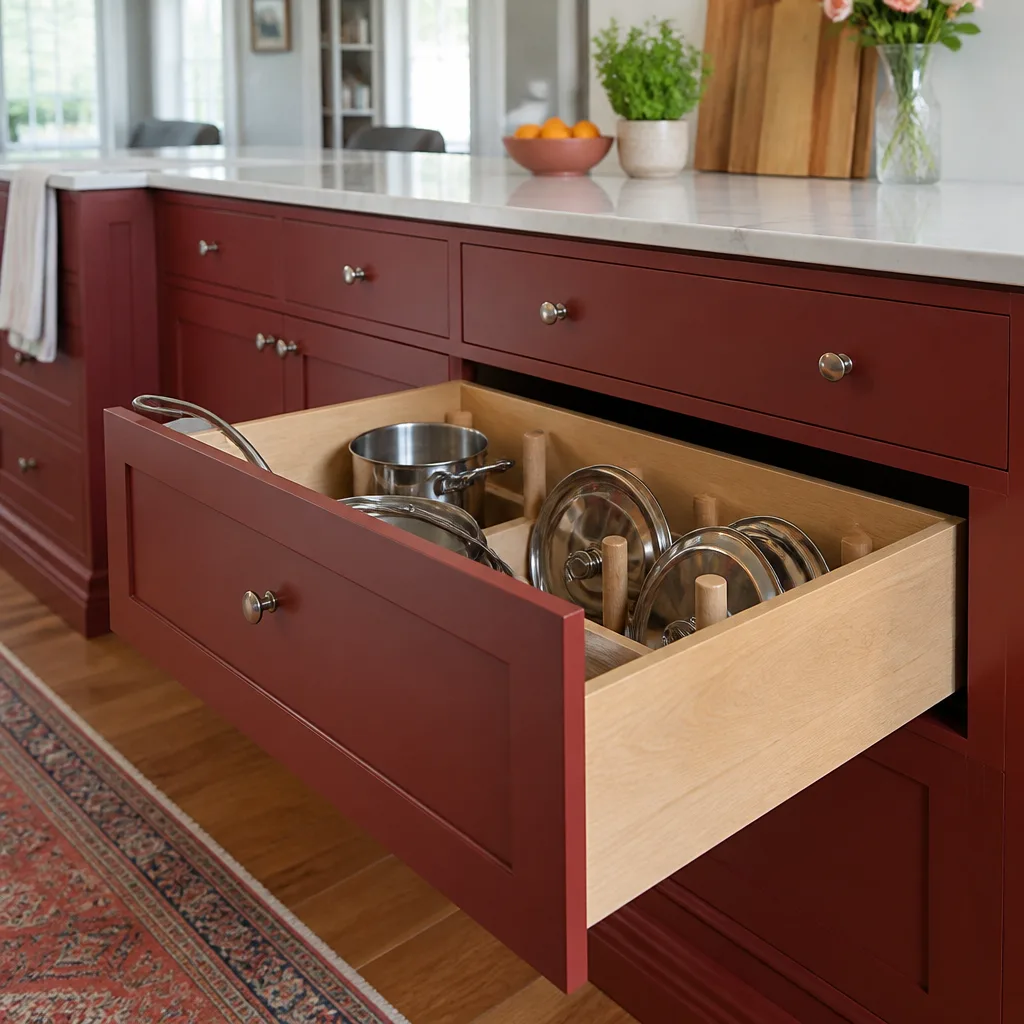
This isn’t about a model number the way a dishwasher has a model number. Sakrete products used in kitchen remodeling fall into a few families, and the compatibility issue is almost always about the substrate, which is the layer underneath what you see. The key Sakrete lines we work with in kitchen applications are:
- Sakrete Sand Mix / Topping Mix: used for shower pans, countertop bases, and leveling uneven slabs; the most common Sakrete product in Fort Lauderdale kitchens
- Sakrete Concrete Mix: used for setting cabinets, filling old plumbing trenches, and repairing subfloor damage before tile goes down
- Sakrete Mortar Mix / Type S: used for block work and re-pointing when a kitchen wall gets opened up and the masonry behind it is crumbling
- Sakrete Floor Leveler: used to flatten a slab that has settled or was poured wrong to begin with
Here’s the compatibility gotcha: the same bag of Sakrete Sand Mix behaves completely differently depending on how it was mixed, how thick it was poured, and how long it cured before tile went on top. In Fort Lauderdale’s humidity, a mortar bed that wasn’t allowed to cure properly can hold surface moisture for weeks. Tile set over it will bond fine for a year, then start popping because the moisture never fully left the substrate. That’s the failure we see most often in kitchens near the Intracoastal, where ambient humidity sits above 70% for months at a time.
If you still have the Sakrete bag or the receipt, snap a photo. The bag color and product name tell us the exact mix. If the bag is long gone, we can usually identify the product by what it looks like when it breaks: Sand Mix crumbles sandy, Floor Leveler shears in smooth plates, and Mortar Mix holds together in hard chunks.
Styles & brands we work with







Signs Your Sakrete Kitchen Remodeling Is Failing
- Tile cracking in diagonal lines across the floor: This usually means the slab or leveler underneath is shifting. The cracks follow the stress path from the moving substrate, not the tile itself. Patching the tile won’t fix it; the base has to be addressed first.
- Hollow-sounding tile when tapped: The bond between tile and mortar has broken. In Fort Lauderdale, this is often a moisture-cure failure where the Sakrete bed never fully dried before installation.
- Dark staining or efflorescence at grout lines: That white, chalky residue is mineral salts being pushed up through the concrete as moisture moves through it. It tells you water is trapped in the Sakrete layer.
- Countertop seams opening or chipping at the edge: If the counter base was poured with Sakrete and it wasn’t perfectly level, the countertop bears the stress. Seams gap first, then edges start chipping.
- Cabinet baseboards rotting or peeling at floor level: Moisture wicking up from a concrete slab that was never sealed properly will rot the bottom of cabinet frames. The Sakrete itself isn’t the rot, but it’s the wick.
See the difference
 Before
 After
After Before
 After
After Before
 After
AfterReplacement Cost & What’s Included
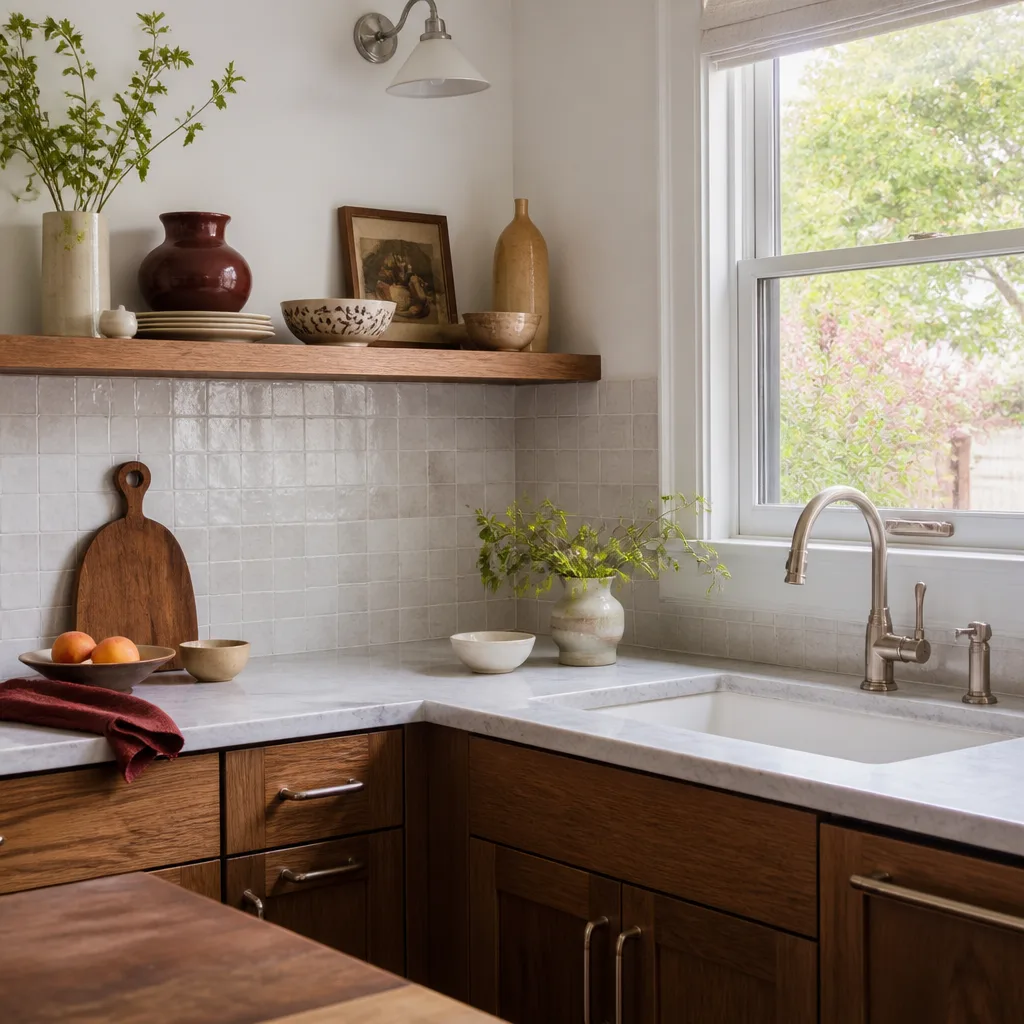
In Fort Lauderdale, a full kitchen remodel runs $14,000 – $45,000. When the Sakrete substrate or underlayment is the problem, the repair usually means pulling the affected section and redoing it correctly, and that work lands inside the same range depending on scope. A small island base or countertop re-pour might sit at the low end; a full tear-out of the floor, leveler, and tile across a 200-square-foot kitchen will push higher.
What drives the number: how much square footage is failing, whether cabinets have to come out to access the substrate, and what material you’re putting back. Cambria or Silestone countertops cost more than laminate, and KraftMaid cabinetry is priced differently than stock boxes. We hand every Fort Lauderdale homeowner a written price before any work starts, with the parts and labor separated line by line. The number on day one is the number on the invoice. And every job carries our 365-Day Done Right Promise: if it fails inside a year, we come back and make it right at no charge.
DIY or Call Us?
You can safely check a few things yourself: look for water stains at the base of cabinets, tap tile with a broom handle to find hollow spots, and check whether grout lines are darkening. What you should not do is start chipping out the Sakrete bed with a hammer drill and re-pouring it from a bag you bought at the hardware store. Mix ratios, cure times, and moisture barriers all matter, and in Fort Lauderdale’s climate, a small mistake in any of the three turns into a second failure inside eighteen months. Trevor Nash and our team have pulled out more than one homeowner’s weekend repair that made the original problem worse. If you’re not sure what you’re looking at, call (754) 551-2922 and we’ll walk you through it before you spend a dollar.
FAQs
A properly mixed, cured, and installed Sakrete substrate should last 20 to 30 years, but improper installation can shorten that to under three in South Florida humidity. Moisture management and cure time are the two factors that decide which one you get. If your tile is failing and the Sakrete was poured less than five years ago, call us and we’ll diagnose it before you tear anything out.
Sometimes. If the failure is isolated, we can cut out the damaged section and re-pour it with a bonding agent. If the moisture problem runs under the whole floor, patching it will just move the crack to a new spot. We’ll tell you which one you have before we recommend spending anything.
Most Sakrete substrate repairs run three to five working days including cure time. A full kitchen remodel with countertops and cabinets runs two to six weeks. We’ll give you a written arrival window at the start, and the same crew stays on your job until it’s done.
We source Sakrete mixes directly for every job that needs them, and we keep Sand Mix, Floor Leveler, and Type S Mortar on hand for smaller repairs. We also work with KraftMaid, Cambria, and Silestone for the finish materials, so your kitchen comes out with products we’re willing to put our name behind. Call (754) 551-2922 and we’ll price your specific repair, parts and labor, in writing.
Written by Trevor Nash, Owner, Penhallow Remodeling Fort Lauderdale at Penhallow Remodeling Fort Lauderdale, serving Fort Lauderdale and nearby areas.


