
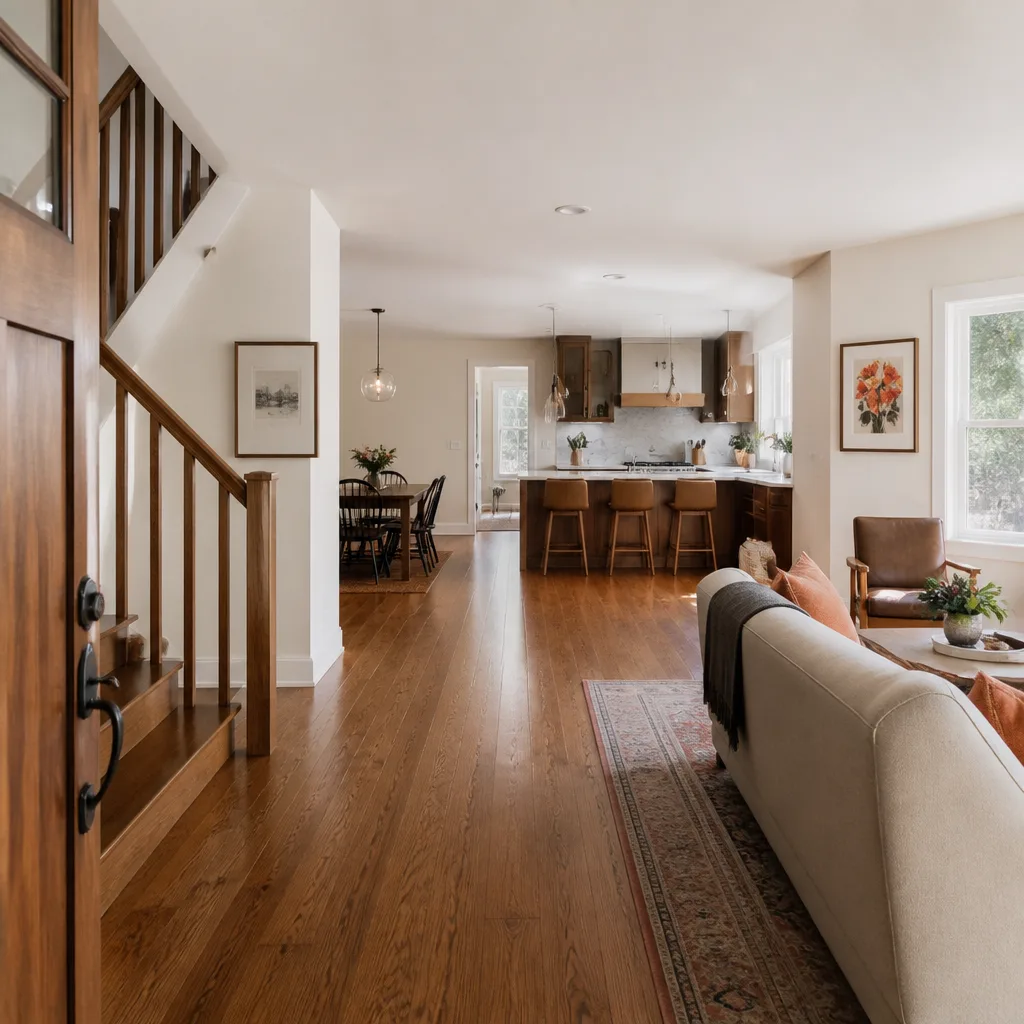
Free written scope consultation - allowances, timeline, and change-order rules on paper before a single trade is scheduled
Dvele Home Additions & ADU: The Fort Lauderdale Owner’s Guide
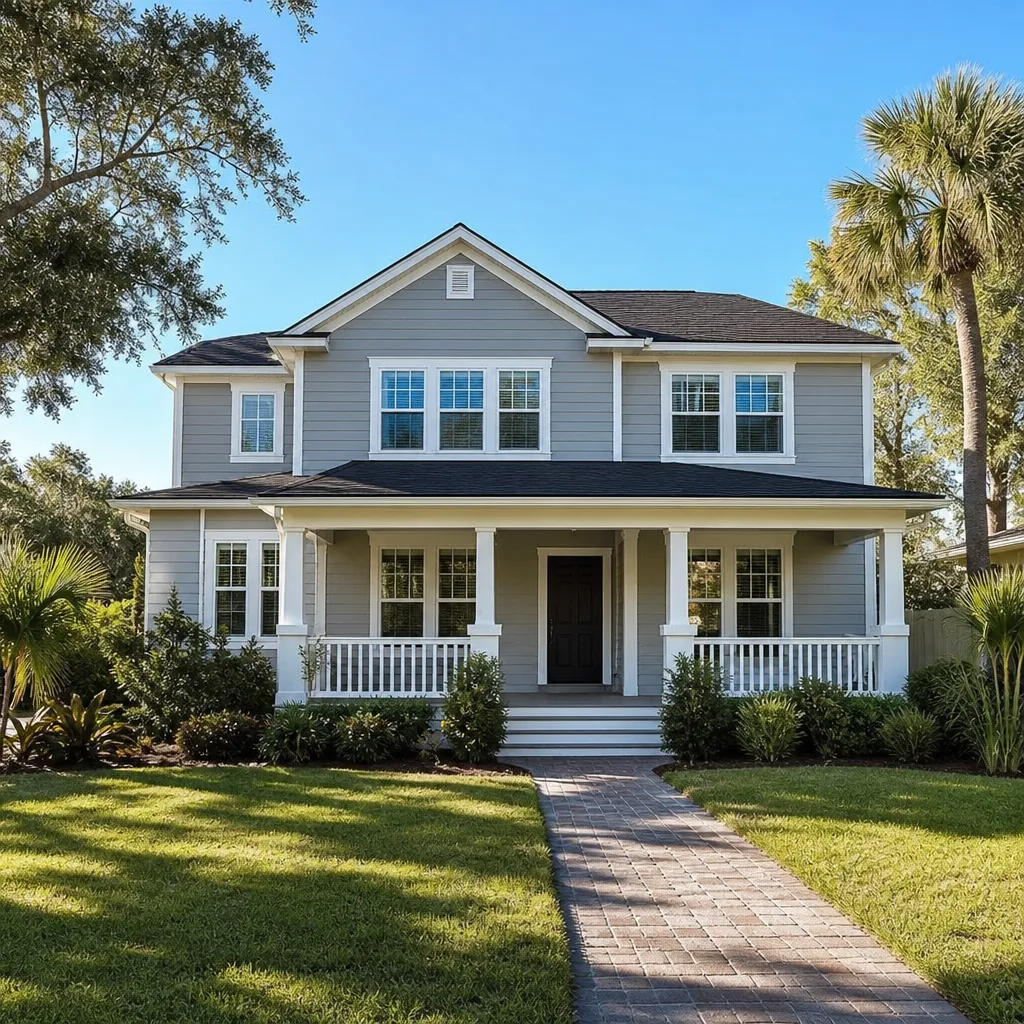
A Dvele home addition or ADU in Fort Lauderdale typically runs $45,000 to $130,000 installed, depending on square footage, foundation work, and how much of the existing structure we’re tying into. If you own a Dvele home and you’re planning an addition, a garage conversion, or a detached ADU, we handle the full build from permits to punch list and we put the price in writing before the first footing is poured. Most owners call us after they’ve realized their Dvele floor plan doesn’t grow with them: a second kid, an aging parent, a home office that can’t stay in the dining room forever.
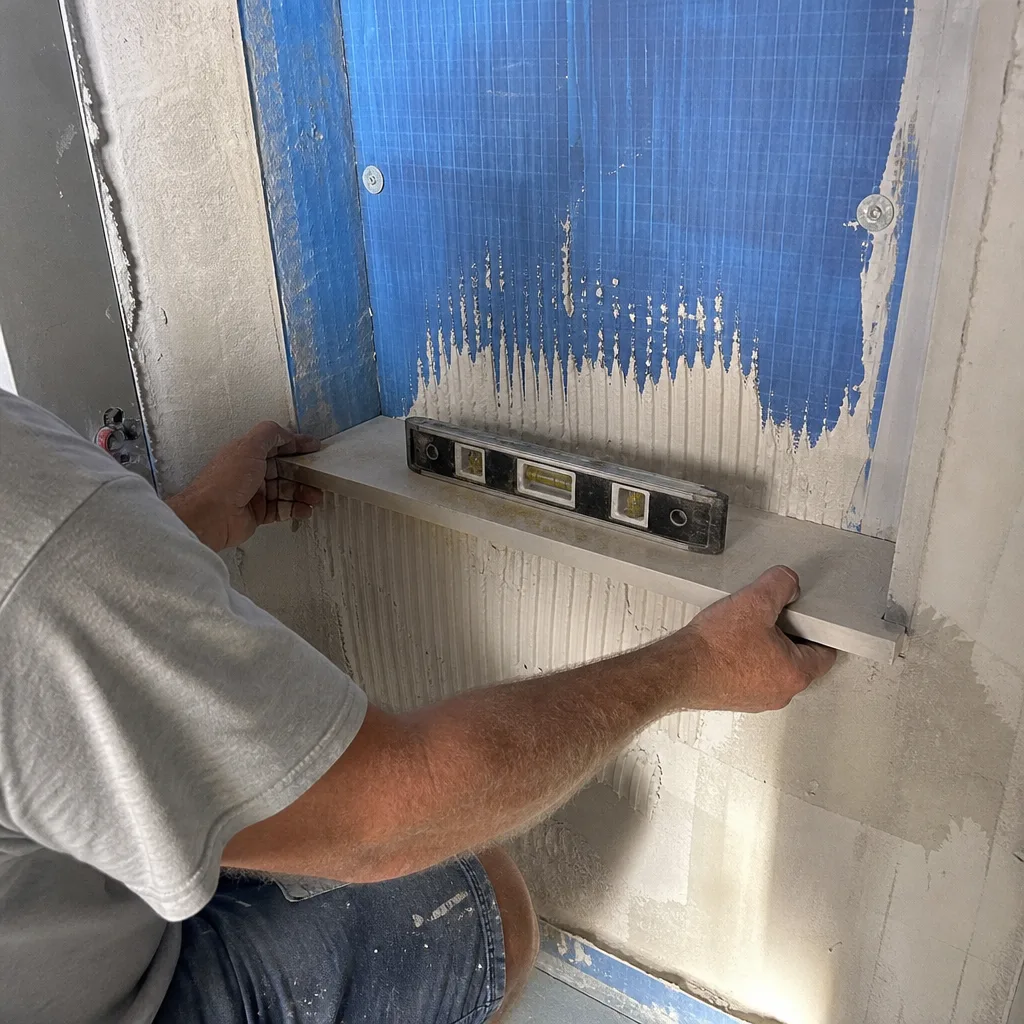
You won’t find a “Dvele parts counter” anywhere. Dvele builds precision, factory-made panelized homes, and the parts that matter for an addition are structural tie-ins, weather barriers, and envelope continuity, not a replacement spring or cartridge. That’s why this page is about the building system, not a widget. If you need an addition that matches your Dvele’s performance, the work has to be planned around how the home was assembled, and that’s exactly what we do.
Which Dvele Models This Applies To
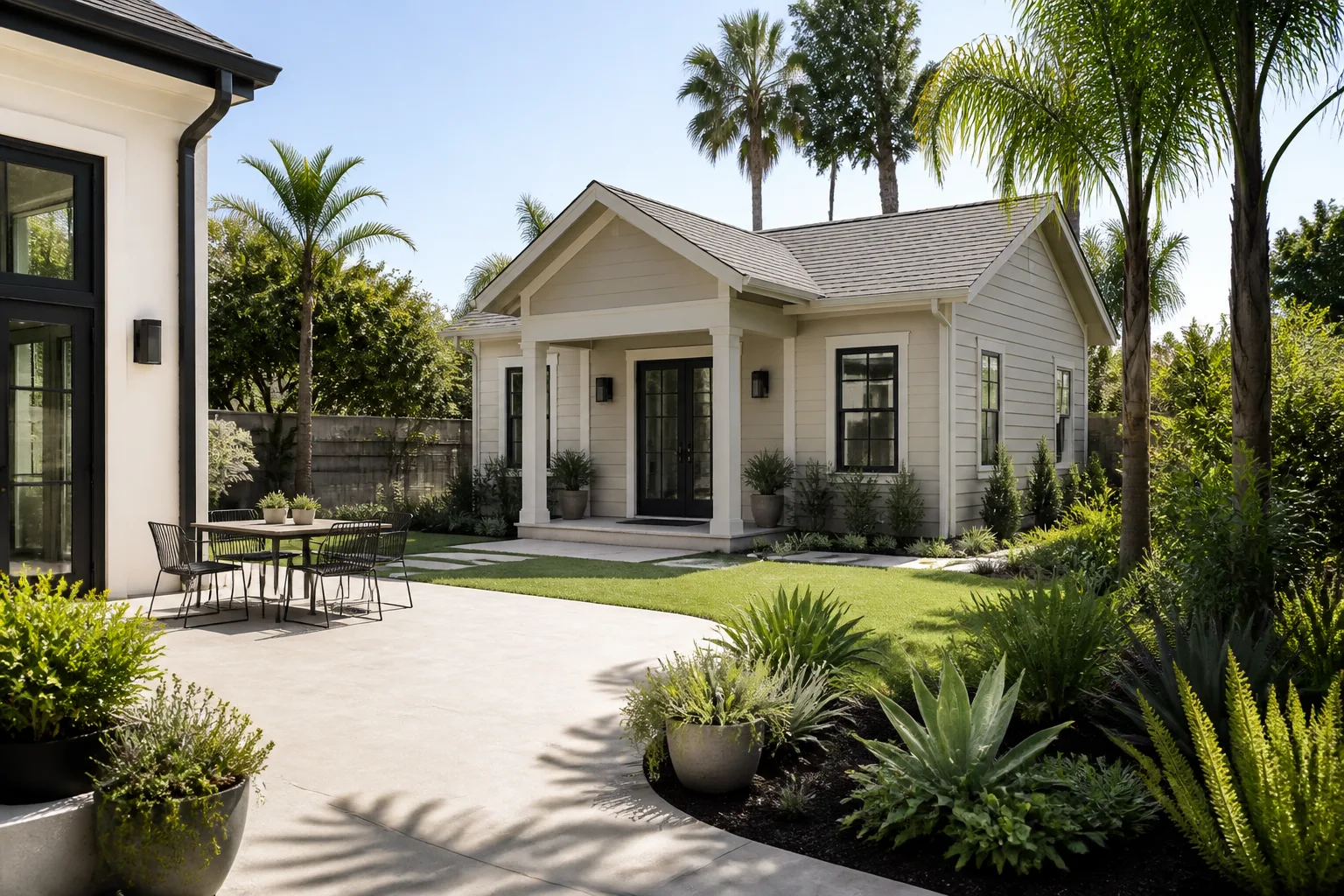
Dvele’s current lineup includes the Dvele IQ series homes and the Dvele Adaptive models, which ship as panelized wall, floor, and roof cassettes and get assembled on site. Older Dvele builds, especially the early Dvele Vista and Dvele Haven lines, used a similar panel system with slightly different wall-shear detailing. The takeaway for an addition: you’re not cutting into a conventional stick-framed wall. You’re cutting into a engineered, factory-sealed assembly, and the tie-in has to preserve the air barrier and the structural load path or you’ll get moisture problems where new framing meets the Dvele panel.
If you have your original Dvele documentation, look for the assembly ID tag on the interior side of an exterior wall panel, usually near a corner or behind a baseboard. It lists the panel series and the production batch. If you can’t find it, we can identify the panel type by pulling a small section of drywall during the estimate. The practical Dvele-specific point: never let anyone cut an exterior opening before they’ve documented the panel’s shear rating and weather-resistive barrier detail. We see additions in Fort Lauderdale where a previous crew cut a doorway, flashed it like a standard Florida wood-frame wall, and within two hurricane seasons the Dvele panel’s OSB edge started swelling. That’s a $12,000+ repair that shouldn’t have happened.
For the record, Penhallow Remodeling Fort Lauderdale is an independent remodeling contractor. We’re not affiliated with Dvele, and we don’t claim to be. We’ve worked on enough panelized builds to know what we’re looking at and what we won’t touch without an engineer’s letter.
Styles & brands we work with







Signs Your Dvele Home Additions & ADU Is Failing
If you already have an addition that’s underperforming, or you’re noticing problems at the seam where an addition was tied into a Dvele home, these are the symptoms we see most often in Fort Lauderdale:
- Cracking at the transition line where the addition meets the original Dvele wall. The panel system moves differently than stick framing under wind load and humidity swings. A hairline crack is common; a widening crack with drywall tape separation means the tie-in wasn’t detailed properly.
- Musty smell or visible mold on the interior wall where the addition connects. In South Florida humidity, a poorly flashed transition leaks slowly, not dramatically. You’ll smell it long before you see a water stain.
- Doors or windows in the addition that stick or won’t latch in summer. Dvele panels are dimensionally stable; conventional lumber isn’t. If the addition’s framing wasn’t dried properly or the foundation wasn’t isolated, the whole assembly moves seasonally.
- Higher cooling bills in the new space. A Dvele home is built tight. An addition that wasn’t air-sealed to the same standard becomes a humidity sponge, and your AC runs twice as long to pull moisture out of the drywall and furnishings.
- Water staining at the roofline where the addition’s roof plane ties into the original. Different roof pitches meeting a panelized wall demand a custom flashing detail, not a standard step flashing from the lumberyard.
See the difference
 Before
 After
After Before
 After
After Before
 After
AfterReplacement Cost & What’s Included
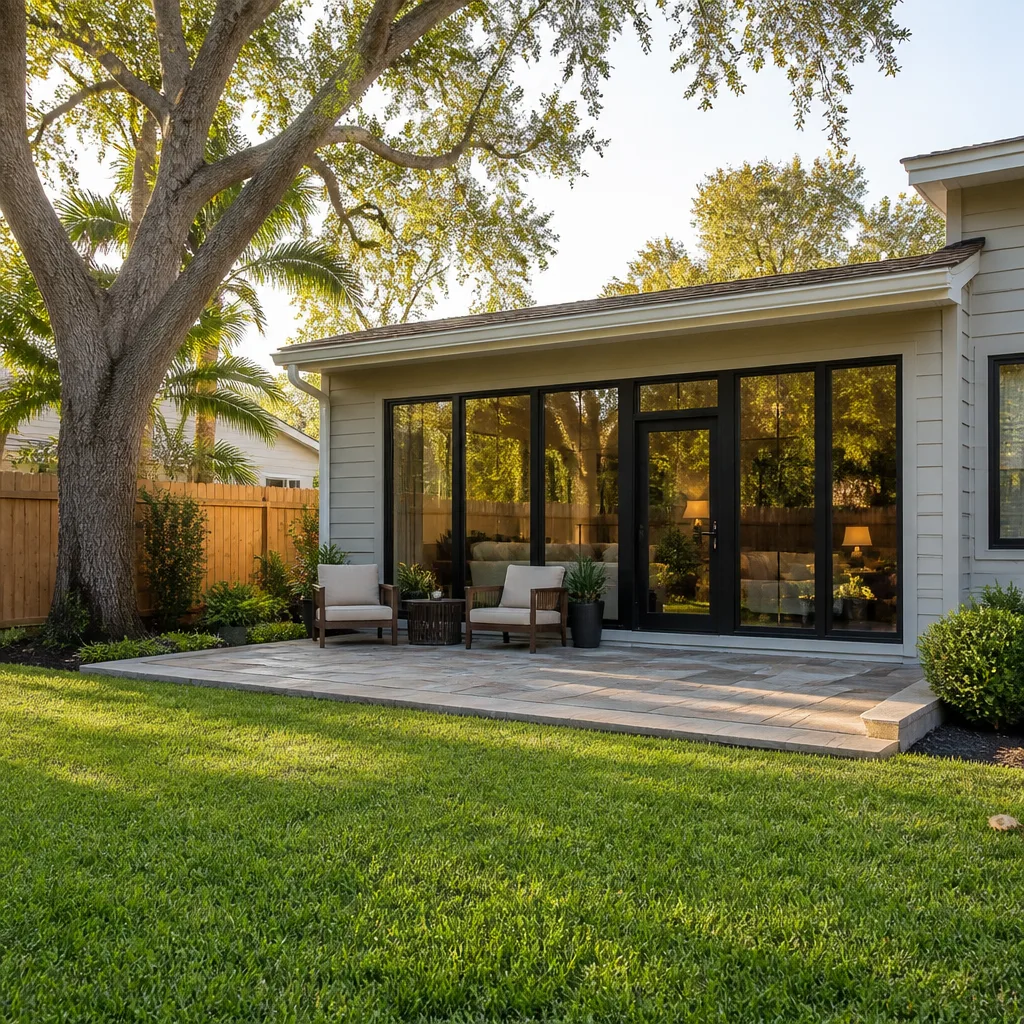
The installed cost for a Dvele-compatible home addition or ADU in Fort Lauderdale runs $45,000 to $130,000. That range covers everything from a single-room bump-out using conventional framing tied to the Dvele envelope, up to a permitted detached ADU with its own electrical subpanel, mini-split HVAC, and hurricane-rated windows.
What drives the number:
- Square footage is the obvious one, but not the only one. A 400-square-foot addition that requires foundation work, a new roofline, and a structural tie-in to the Dvele panel can cost more than a 600-square-foot standalone ADU on a simple slab.
- The tie-in detail. If we’re cutting into an existing Dvele wall, we budget for an engineer’s review, panel verification, and a custom air-barrier transition. That’s not a line item you want skipped.
- Permits and inspections. Fort Lauderdale requires permits for any addition and any ADU over 200 square feet. We pull them. They’re in our written price, not a surprise at the end.
- Finishes. We install KraftMaid and Wellborn cabinetry, Cambria and Silestone countertops, Kohler and Moen fixtures. A kitchenette in an ADU with Cambria quartz and KraftMaid cabinets will push the price toward the upper end; a simple bedroom addition with builder-grade finishes lands lower.
Every project gets a written price before work starts, and the number on day one is the number on the invoice. No change orders because we “found something” after the walls were open unless you ask for a scope change. The work is covered by our 365-Day Done Right Promise: if it’s not done right, we make it right, in writing, on every project.
DIY or Call Us?
You can’t DIY an addition, and if you’re thinking about it, call us instead. This is structural work attached to a factory-built home. Cutting into a Dvele panel without knowing the shear rating and the air-barrier continuity is how you turn a $60,000 addition into a $90,000 mold remediation. What you can do safely: document your Dvele model and assembly tags, pull your original plans if you have them, and get clear on what you want the space to do. Then call us at (754) 551-2922 and we’ll do the measuring, the engineer’s review, and the written price. Trevor Nash has been running crews across South Florida for the better part of two decades, and he’ll tell you the same thing he tells every Fort Lauderdale homeowner: tell me what you need, I’ll tell you what it costs, then we’ll get it done.
FAQs
Plan on 3 to 6 months from permit submission to final inspection, depending on the size and whether you’re tying into the existing Dvele structure or building a detached ADU. Fort Lauderdale permitting is running 4 to 8 weeks for additions and ADUs before we even put a shovel in the ground. The tie-in work takes longer than a straight addition to a conventional home, and we’d rather take an extra week than rush the air-barrier detail. Call (754) 551-2922 and we’ll give you a realistic timeline for your specific scope.
In most cases, yes. If the problem is at the transition, we can open the wall, correct the flashing and the air barrier, and re-drywall without rebuilding the whole addition. The repair usually runs $3,000 to $12,000 depending on how much damage the leak has caused and whether we need to pull siding, windows, or roofing. If the framing is compromised or the foundation is sinking, replacement is the only honest fix. We’ll tell you which one you have, in writing, before any demo work starts.
We stock the common tie-in materials we use on every panelized addition: butyl flashing tape, liquid-applied air barriers, engineered lumber for header and sill work, and hurricane-rated fasteners rated for coastal Florida conditions. What we don’t stock are Dvele factory panels. If your project needs a matching panel from Dvele’s production line, we coordinate that order directly with the manufacturer and verify the panel is correct before it leaves the factory. We also source KraftMaid, Cambria, and Silestone products for the finishes, so nothing gets delayed waiting on a showroom order.
Dvele’s original home warranty typically covers the factory-built portions and does not extend to work done by a third-party contractor. Our work is covered separately by the 365-Day Done Right Promise, and if any part of the addition fails inside that guarantee period, we come back and fix it at no charge. We put that in writing on every project, and we include a free return visit if a repair fails, no service call fee. We also specify materials that carry their own manufacturer warranties, like Cambria quartz and KraftMaid cabinetry, so you have layers of protection on the work we did and the products we installed.
Written by Trevor Nash, Owner, Penhallow Remodeling Fort Lauderdale at Penhallow Remodeling Fort Lauderdale, serving Fort Lauderdale and nearby areas.


