
Free written scope consultation - allowances, timeline, and change-order rules on paper before a single trade is scheduled
Cambridge Pavers Home Additions & ADU: The Fort Lauderdale Owner’s Guide
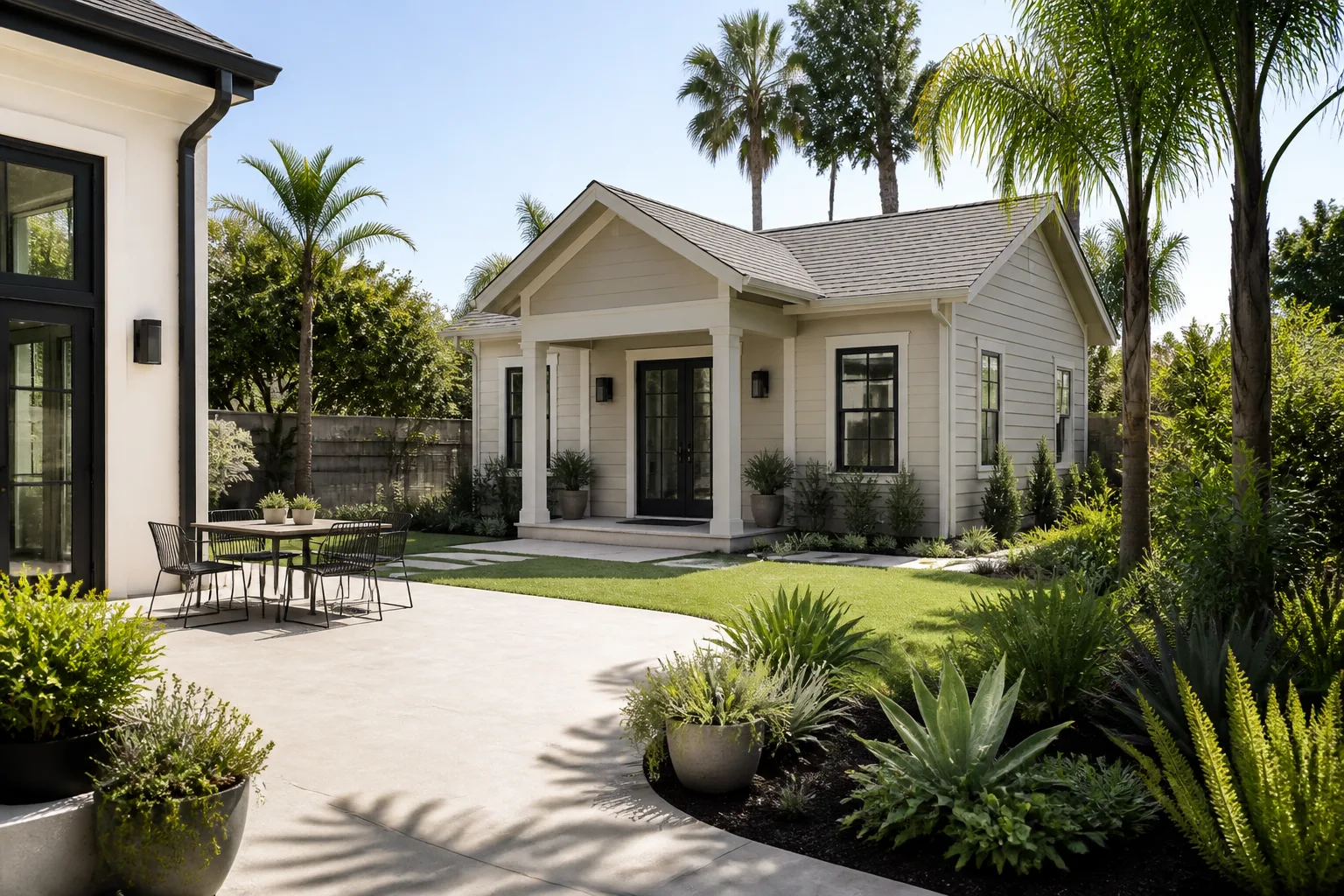
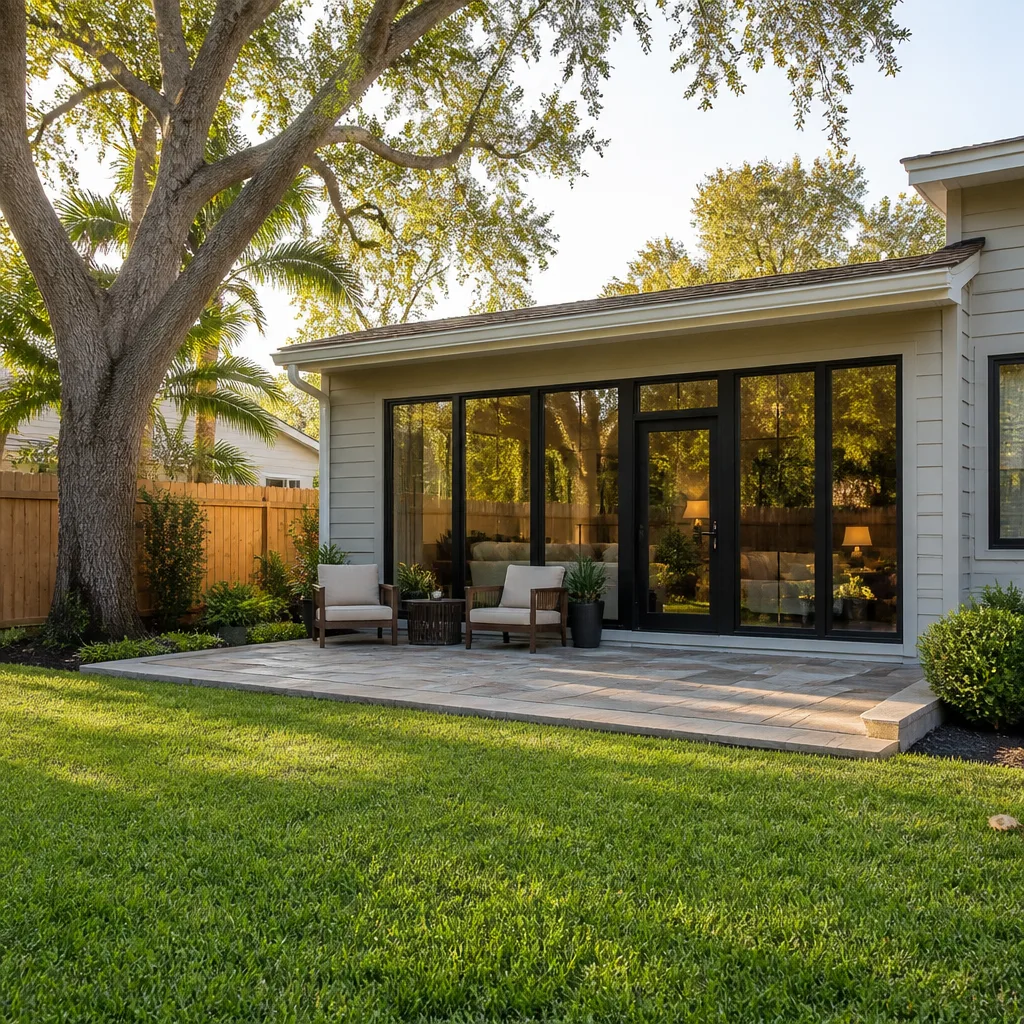
Cambridge Pavers-compatible home additions and ADU foundations, patio bases, and paver-to-structure transitions run $45,000 – $130,000 installed in Fort Lauderdale depending on square footage, site prep, and whether we’re tying into existing slabs or pouring new. We install and spec Cambridge Pavers products as part of larger remodeling work, and we carry the base materials, edge restraints, and joint sand on hand so the paver portion of your project doesn’t stall. Most Fort Lauderdale homeowners discover their existing setup has an issue when the paver course next to the house starts sinking, the soldier course along an addition’s edge separates, or water pools against a new door threshold after a hard summer rain.
We’re an independent general contractor in Fort Lauderdale, not affiliated with Cambridge Pavers directly. That means we can give you an honest read on what’s happening with the pavers you already own and match materials without pushing a specific brand line.
Key Takeaways
- Home additions and ADUs involving Cambridge Pavers run $45,000 – $130,000 in Fort Lauderdale.
- We stock Cambridge-compatible base rock, edge restraint, and polymeric joint sand for faster progress.
- Fort Lauderdale’s sandy soil and heavy wet season mean base compaction matters more than paver brand.
- Trevor Nash writes every scope with the paver details included, so the trim and transition work is priced before day one.
- Call (754) 551-2922 for a free estimate on your addition or ADU.
Which Cambridge Pavers Models This Applies To
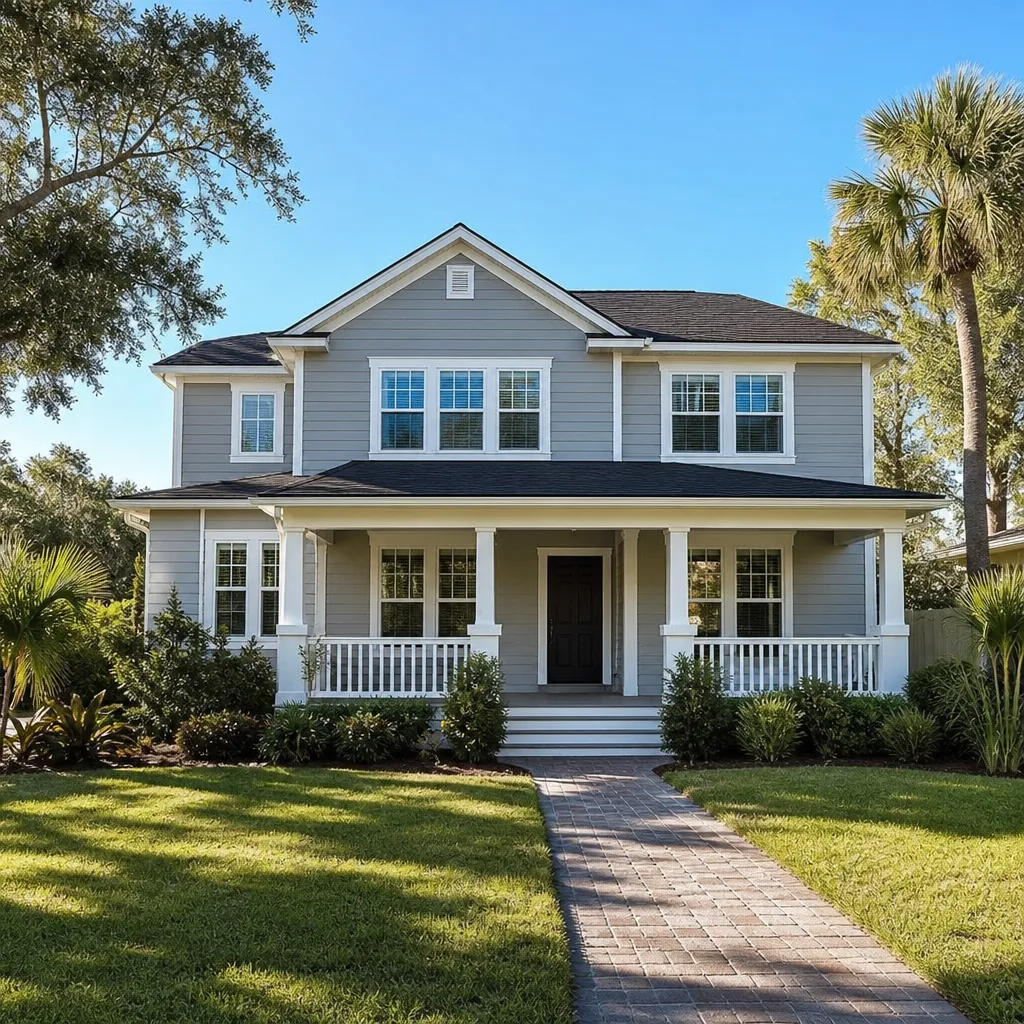
If your Cambridge Pavers product is being used as the finished walking surface around a new addition, a patio base for an ADU, or the apron between your existing home and a garage conversion, this covers the full Cambridge lineup: the Ledgestone, RoundTable, and Pavingstone series, plus the bullnose and soldier course pieces used for clean edges. The model is stamped on the underside of most Cambridge units, but after a few years of South Florida sun, that stamp is often worn down to nothing. If you can’t read it, we match by color family and size module on site.
Here’s the compatibility gotcha most people don’t learn until a pallet shows up wrong. Cambridge Pavers are made in a 3-piece modular system, and the pieces are designed to interlock in specific ratios. You cannot mix a Ledgestone 6×9 with a RoundTable 6×6 and expect the joints to line up at the edges of an addition. If you bought the home and inherited the pavers, we verify the module before ordering anything. For OEM replacements, Cambridge still manufactures most current lines, and lead time to South Florida is typically 7 – 14 days. We’ve also installed quality aftermarket matches for discontinued colors, but we’ll tell you upfront if the color drift is going to be noticeable. In full sun, a replacement paver that’s “close” will show itself within a year.
Styles & brands we work with







Signs Your Cambridge Pavers Home Additions & ADU Is Failing
- Edge soldiers pulling away from the structure. This usually means the plastic or aluminum edge restraint was staked too far from the pavers during the original install, or the stakes have rusted through in Fort Lauderdale’s salt air. The pavers drift, and the gap starts catching chair legs and toes.
- Water pooling against a new door threshold. Over time, soil settles, and a paver base that wasn’t compacted in lifts will drop on the house side first. You’ll see a wet line at the bottom of the door frame after rain. That’s a base problem, not a paver problem.
- Sunken patches in the middle of a walkway between your house and the ADU. In Fort Lauderdale, this is almost always from a plumbing line that wasn’t backfilled and compacted properly. The trench settles, and the pavers follow it down.
- White haze blooming across the paver surface. That’s efflorescence, and in our humidity it comes and goes with the seasons. It’s cosmetic, but if you’re seeing it every month, the base underneath is holding water instead of draining it.
- Individual pavers rocking underfoot. One or two rocking pavers usually means the bedding sand has washed out through a gap in the edge restraint. A half-dozen rocking pavers in one area means the base layer itself has a low spot, and the pavers are flexing every time you step on them.
See the difference
 Before
 After
After Before
 After
After Before
 After
AfterReplacement Cost & What’s Included
For a home addition or ADU project in Fort Lauderdale where Cambridge Pavers are part of the scope, you’re looking at $45,000 – $130,000 installed. The paver portion of that ranges depending on whether we’re matching new pavers to existing, removing and reusing what’s already there, or replacing a failed section. What moves the total: whether the addition sits on a slab or raised foundation, whether the ADU needs its own utility run, how much of the existing paver area has to be cut and rebuilt, and whether the site needs a soil amendment or extra fill.
Every project we quote includes the written price before work starts, the base material, sand, edge restraint, labor, haul-off of old material, and a written scope showing exactly what’s included. You’ll also get the 365-Day Done Right Promise in writing: if something we installed fails inside that first year, we come back and make it right at no charge. No re-inspection fee, no service call charge.
DIY or Call Us?
If you just want to understand what’s happening before anyone starts quoting, you can safely check three things yourself: look for gaps between the edge restraint and the pavers, walk every joint and mark pavers that rock, and run a hose on a dry day to see where water actually stops. That’s useful information to have before you call anyone. What we don’t recommend is pulling up pavers to “take a look” at the base, especially anywhere near a gas line, an irrigation line, or the electrical stub-out for a future ADU. We’ve seen homeowners hit all three in Fort Lauderdale.
We’re glad to walk the site with you, explain what you’re seeing, and put a written number in your hand. Call (754) 551-2922 and we’ll set a time.
FAQs
Pavers themselves routinely last 25 – 40 years in Fort Lauderdale, but the base under them rarely makes it past 15 – 20 in our soil without some leveling or spot repair. The paver on top is rarely the failure point; the compacted rock and sand underneath is what gives out first.
Yes, in most cases we can lift the affected area, fix the base, recompact, and reset the same pavers. You only replace pavers that are cracked, chipped, or so badly sun-faded that new ones would look patchy. Call (754) 551-2922 and we’ll tell you which situation you have.
Depending on the square footage and whether we’re reusing existing pavers, the paver scope usually runs 3 to 10 working days within the larger addition or ADU timeline. Weather and base repairs extend that, and we’ll spell that out in the written scope.
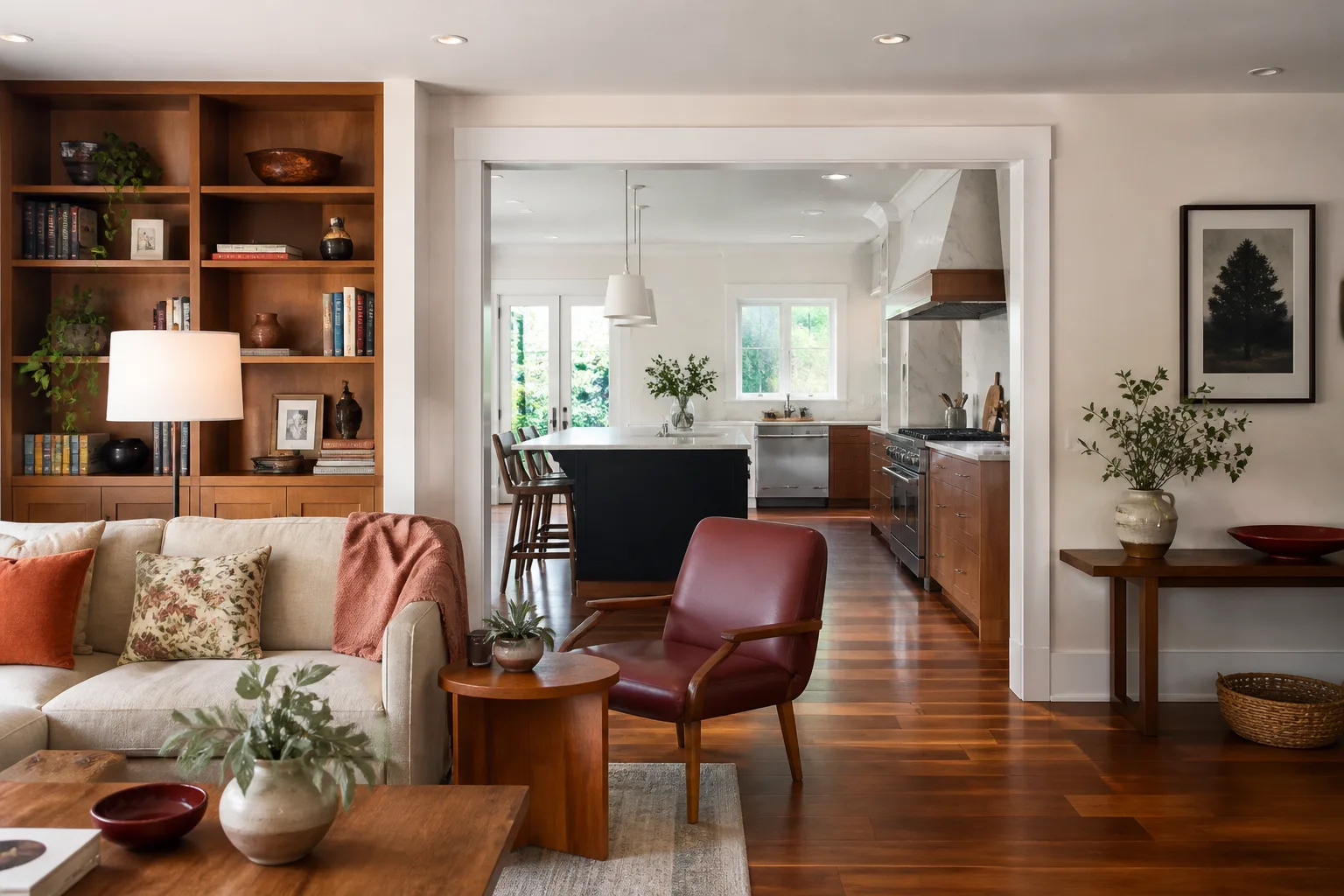
We stock the base rock, bedding sand, edge restraints, and joint sand in our Fort Lauderdale yard. Cambridge pavers themselves are ordered per project, usually 7 – 14 days out. We also work regularly with KraftMaid, Cambria, and Silestone materials on the interior side of additions and ADUs, so the same crew can handle the full build.
Written by Trevor Nash, Owner, Penhallow Remodeling Fort Lauderdale at Penhallow Remodeling Fort Lauderdale, serving Fort Lauderdale and nearby areas.


