


Free written scope consultation - allowances, timeline, and change-order rules on paper before a single trade is scheduled
CGI Roofing: The Fort Lauderdale Owner’s Guide
CGI roofing parts and panels are stocked on our trucks and installed for $400 – $1,800 in most Fort Lauderdale cases, with full panel replacements running $8,000 – $20,000 depending on roof size and pitch. Most homeowners discover a failed CGI part the same way: a rust-colored drip line snaking down a wall after a hard afternoon storm, or a soft spot near a fastener that wasn’t there last hurricane season. You find the leak before you find the cause, and that’s exactly where we start.
CGI is a metal roofing manufacturer out of Miami, and their panels are common across South Florida because they’re engineered for coastal wind loads and salt air. What makes a CGI part different from generic metal roofing stock is the profile geometry and the fastener concealer system. Swap in a panel that’s close but not exact, and you get oil-canning, water creep at the laps, and a repair that fails inside eighteen months. We match the profile, the gauge, the coating, and the fastener pattern before anything gets ordered or cut.
We’re an independent service provider in Fort Lauderdale, not a CGI dealer or factory branch. That matters because we have no incentive to push a full replacement when a section repair does the job. Trev Nash has spent the better part of two decades running crews across South Florida, and the first question on every roofing call is the same: can this be repaired, or does it need to come out?
Which CGI Models This Applies To
CGI’s most common residential profiles in Fort Lauderdale are the Stone Coated Steel lines, the standing seam systems, and the concealed fastener panels used on lower-slope roofs. Older homes in neighborhoods like Rio Vista, Victoria Park, and Sailboat Bend tend to have the earlier stone-coated profiles, while newer construction east of Federal Highway leans toward standing seam with hidden clips. The profile dictates the part, and the profile is stamped on the underside of the panel or on the original permit paperwork.
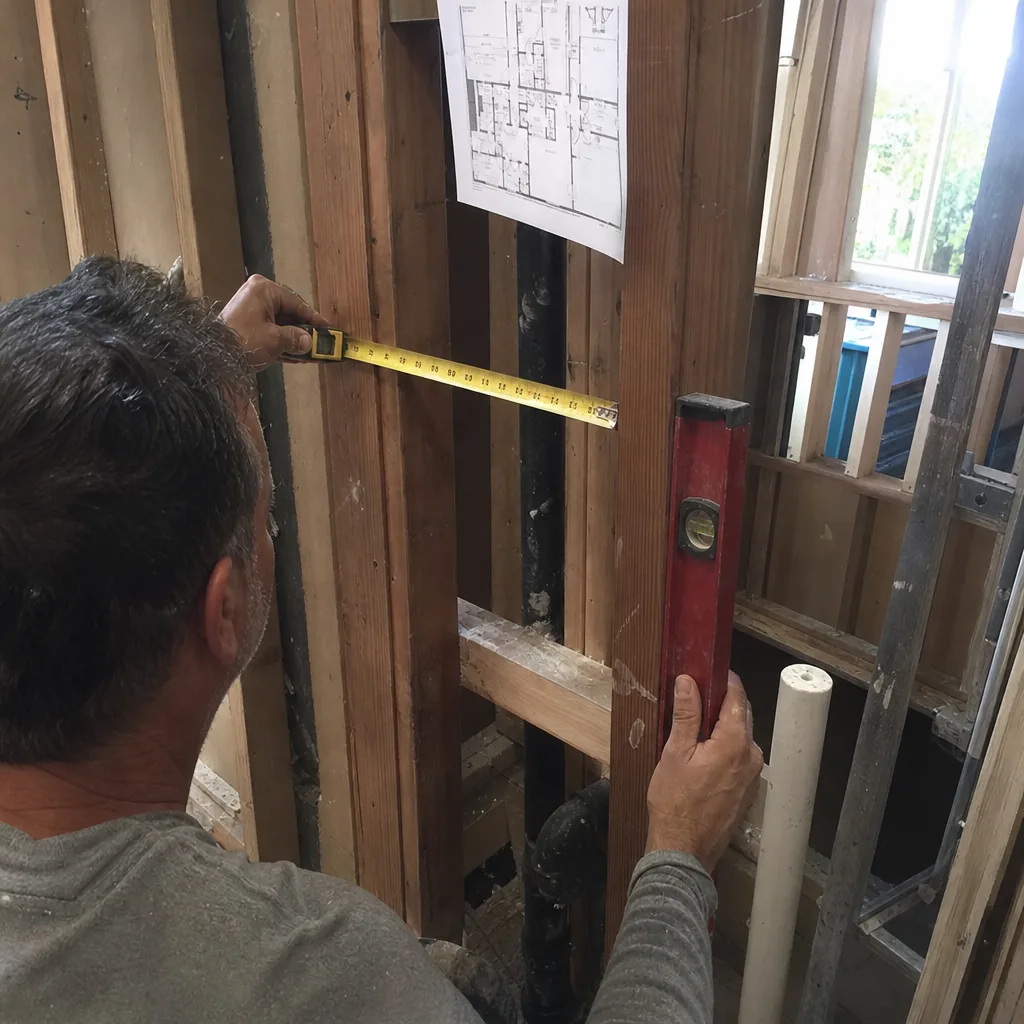
Here’s the compatibility gotcha that costs owners time and money: CGI has revised clip and batten dimensions across production years, so a panel manufactured in 2009 does not always seat cleanly against one from 2016, even if both are labeled the same product line. The panel looks identical from the ground. It isn’t. We measure the rib height, the flat width, and the clip slot spacing before matching anything, because a 1/8-inch difference the width of a pencil will telegraph through the roof as a visible wave within a year.
On the OEM versus aftermarket question: for fasteners, closure strips, and ridge caps, quality aftermarket equivalents are fine and often half the cost of factory-branded parts. For the panels themselves, we recommend OEM or a fabricator we’ve verified against the exact profile. Stone-coated steel is not something you eyeball. If the coating thickness is off, the salt air in Fort Lauderdale starts its work inside three seasons.
Styles & brands we work with







Signs Your CGI Roofing Is Failing
- Rust blooms around fastener heads. The galvanized coating on the screws has been compromised, and once rust starts at the penetrations, water follows the threads straight through the deck. This is the most common failure we see in Fort Lauderdale, where salt air accelerates it by years compared to inland roofs.
- Water staining at laps or seams, not at the visible hole. Metal roofs fail at transitions before they fail at the field. If you have drip marks running down the fascia or soffit with no obvious penetration above, water is getting in at an overlap and traveling sideways. The panel joint is the leak, not the panel.
- Loose or missing battens or clips after a storm. CGI concealed-fastener systems depend on every clip staying locked. When one lets go, the panel edge lifts just enough to catch wind, and the next storm does more damage. You’ll hear a light ticking or flapping sound on breezy days before you ever see it.
- Granule loss on stone-coated profiles. Stone-coated steel sheds its surface granules over time, and bald patches expose the asphalt-based base coat to UV and salt. If you’re finding dark granules piling up in roof valleys or at downspouts, the panel’s sacrificial layer is nearly spent.
- Soft spots in the sheathing below the roof line. From the attic or upper crawl, press gently against the deck under any suspected leak area. Spongy or dark wood means water has been getting through for long enough to matter. By the time the deck is soft, the roofing repair is no longer just a panel swap.
See the difference
 Before
 After
After Before
 After
After Before
 After
AfterReplacement Cost & What’s Included
In Fort Lauderdale, a typical CGI repair runs $400 – $1,800 depending on what failed. Replacing a small section of damaged panel with matching profile and finish sits at the lower end. Rebuilding a valley, replacing a ridge cap run, or re-clipping a whole panel row before re-seating it lands higher. A full CGI roof replacement on a standard Fort Lauderdale single-story home runs $8,000 – $20,000, with roof height, pitch, and the number of penetrations driving the number up or down.
Every repair quote is a written number before work starts. It covers the parts, the labor, the disposal of anything removed, and a written guarantee on the repair, all backed by our 365-Day Done Right Promise. If something fails inside the guarantee period, we come back and fix it at no charge. No re-inspection fee, no service call. That’s the whole point of putting it in writing.
We source our CGI-compatible materials from the same trade brands we trust across every project; the hardware behind the guarantee has to be as solid as the guarantee itself. For roofing, that means proper gauge metal, factory-coated fasteners, and closures rated for coastal exposure, not whatever is cheapest at the supply counter.
DIY or Call Us?
What you can safely do: inspect from the ground with binoculars after a storm, check your attic for drip marks or dark decking, and keep an eye on your gutter downspouts for granules. A visual each rainy season catches problems before they become structural.
What you should not do: get on a metal roof and start tightening or replacing fasteners without knowing the pattern torque, the sealing washer spec, and what’s underneath the panel. Metal roofs are steep and slick, and over-torquing a fastener through a stone-coated panel creates a new leak while you fix the old one. This is one of those jobs where the mistake costs more than the repair ever would have. If you’re seeing any of the symptoms above, call (754) 551-2922 and we’ll put eyes on it, or just talk you through what you’re seeing from the ground. Either way, you get answers without a sales pitch.
FAQs
A properly installed CGI metal roof in Fort Lauderdale typically lasts 30 to 50 years, but coastal salt air can shorten that to 25 to 35 years on exposed elevations if the panels were never rinsed or the fasteners are not factory-coated. The roof itself rarely fails; the penetrations and laps fail first. Call (754) 551-2922 for an inspection if your roof is past twenty years and you’re seeing granule loss or rust blooms.
Yes, most isolated damage can be repaired by replacing the single panel or the affected section, as long as the surrounding panels are in good shape and the profile is still available. If the coating has failed across a broad area or multiple fasteners have let go, a larger panel replacement makes more financial sense than chasing one leak after another. We’ll tell you which one you’re looking at before any work is scheduled.
Most single-panel or fastener repairs take one day from start to finish. Larger section replacements or ridge and valley rebuilds typically take two to three days, and a full roof replacement on an average Fort Lauderdale home usually runs one week, weather permitting. We’ll give you a defined arrival window and a completion date in writing before work starts.
We keep the common failing parts in stock: fasteners, closure strips, sealants, and ridge cap materials. Full panels are matched to your exact profile and ordered from CGI or a verified fabricator, which typically adds a few days to the timeline. We’ll confirm the profile match before ordering, so you’re not paying for a panel that doesn’t fit.
Written by Trevor Nash, Owner, Penhallow Remodeling Fort Lauderdale at Penhallow Remodeling Fort Lauderdale, serving Fort Lauderdale and nearby areas.


