
Free written scope consultation - allowances, timeline, and change-order rules on paper before a single trade is scheduled
James Hardie Bathroom Remodeling: The Fort Lauderdale Owner’s Guide
Penhallow Remodeling installs James Hardie-branded backing materials and compatible systems in Fort Lauderdale bathrooms, with most full remodels running $9,000 – $28,000 depending on footprint, waterproofing scope and finish level. If you’re seeing cracked grout lines, soft spots behind tile, or a musty smell that won’t quit, the James Hardie backer board or substrate behind your shower wall is usually the culprit. Here’s what that means, what it costs, and how we fix it without the number changing on you after demo day.
Which James Hardie Models This Applies To
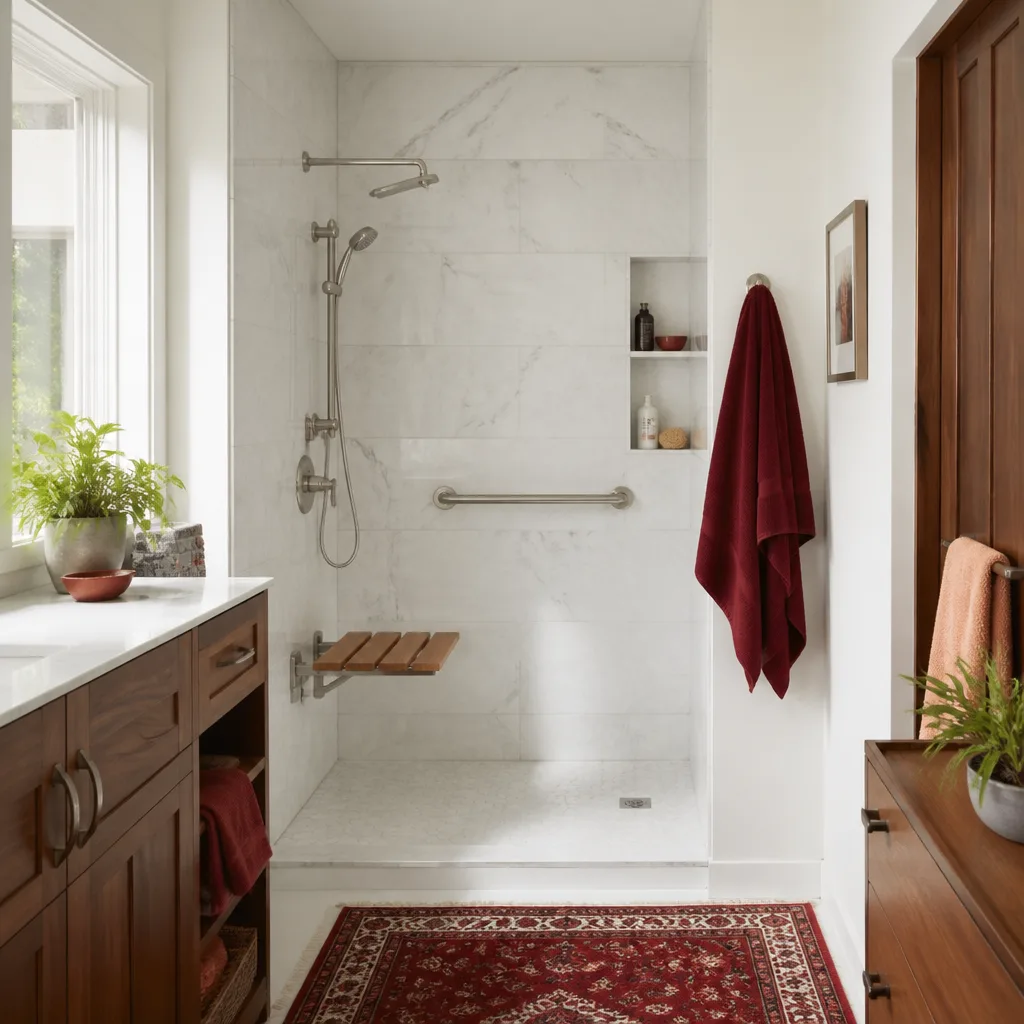
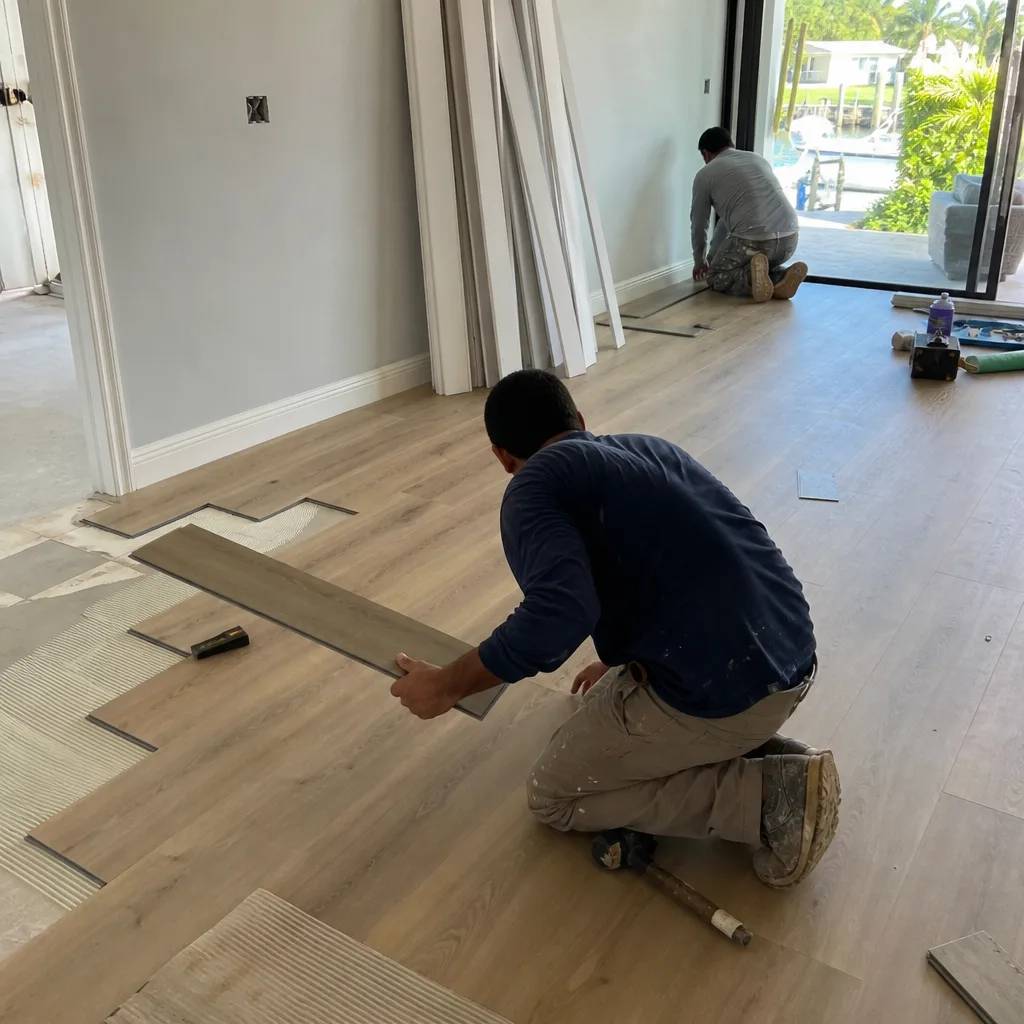
Most Fort Lauderdale bathrooms built or renovated in the last 20 years use one of two James Hardie backer products: HardieBacker ¼-inch cement board for floors and countertops, or the ½-inch version for shower walls and tub surrounds. The ¼-inch and ½-inch boards are not interchangeable, which is a compatibility gotcha that has cost more than a few homeowners a redo. HardieBacker is technically cement board, not drywall or fiber cement siding (that’s HardiePlank, a different product line entirely), and it requires specific fasteners: corrosion-resistant, backer-rated screws. We’ve pulled apart Fort Lauderdale showers where a previous contractor used drywall screws, and what’s left is a rust-streaked mess behind the tile.
If you still have the original packaging or a leftover offcut, check the printed edge code: it lists thickness and lot number. The ½-inch board measures 3 ft × 5 ft and should be installed with the smooth side facing the tile if you’re using mastic, or either side if you’re using thinset mortar. On the OEM-versus-aftermarket question: we install genuine James Hardie backer board by default because HardieBacker carries its own product warranty that layers on top of our written workmanship guarantee. Quality aftermarket cement boards exist, but when the delta is only a few dollars a sheet, there’s no reason to downgrade the material your tile is glued to. If you’re doing a small repair rather than a full replacement, call us with the board thickness and the square footage and we’ll tell you exactly what’s needed.
Styles & brands we work with







Signs Your James Hardie Bathroom Remodeling Is Failing
- Cracked grout lines that keep reappearing after re-grouting. This usually means the backer board behind the tile is flexing. Cement board isn’t supposed to move; if it does, the board was installed with the wrong fastener spacing or missing blocking at the seams. Re-grouting fixes the symptom for about six weeks in Fort Lauderdale humidity, then the cracks come back. The real fix is opening the wall and re-securing or replacing the board.
- Soft spots or slight give when you press on a shower wall. Water has gotten behind the tile and saturated whatever’s under it. HardieBacker itself won’t rot, which is why we spec it in the first place, but if the board wasn’t properly sealed at the seams or the tub flange, moisture reaches the wood studs behind it. In South Florida’s humidity, that dampness never dries on its own.
- A persistent musty smell in the bathroom that no amount of bleach fixes. This is mold feeding on damp wood or waterlogged drywall behind the shower. Fort Lauderdale homes near canals and the Intracoastal deal with elevated indoor humidity year-round, so once moisture gets trapped in a wall cavity, it’s a breeding ground. You cannot air this out; the affected board and any damaged framing need to come out.
- Tile that has shifted, lipped, or fallen off altogether. Backer board installed with the wrong side out or with mastic instead of thinset loses its bond over time. We’ve seen entire shower walls where tiles peeled off in sheets like a sticker backing. When tile falls, the waterproofing plane has already failed.
- Rust-colored stains bleeding through grout or around screw heads. This is the drywall-screw issue I mentioned earlier. The zinc coating on drywall screws dissolves in damp conditions; the steel underneath rusts, expands, and cracks the grout from behind. Every rust stain you see is a fastener that has already failed.
See the difference
 Before
 After
After Before
 After
After Before
 After
AfterReplacement Cost & What’s Included
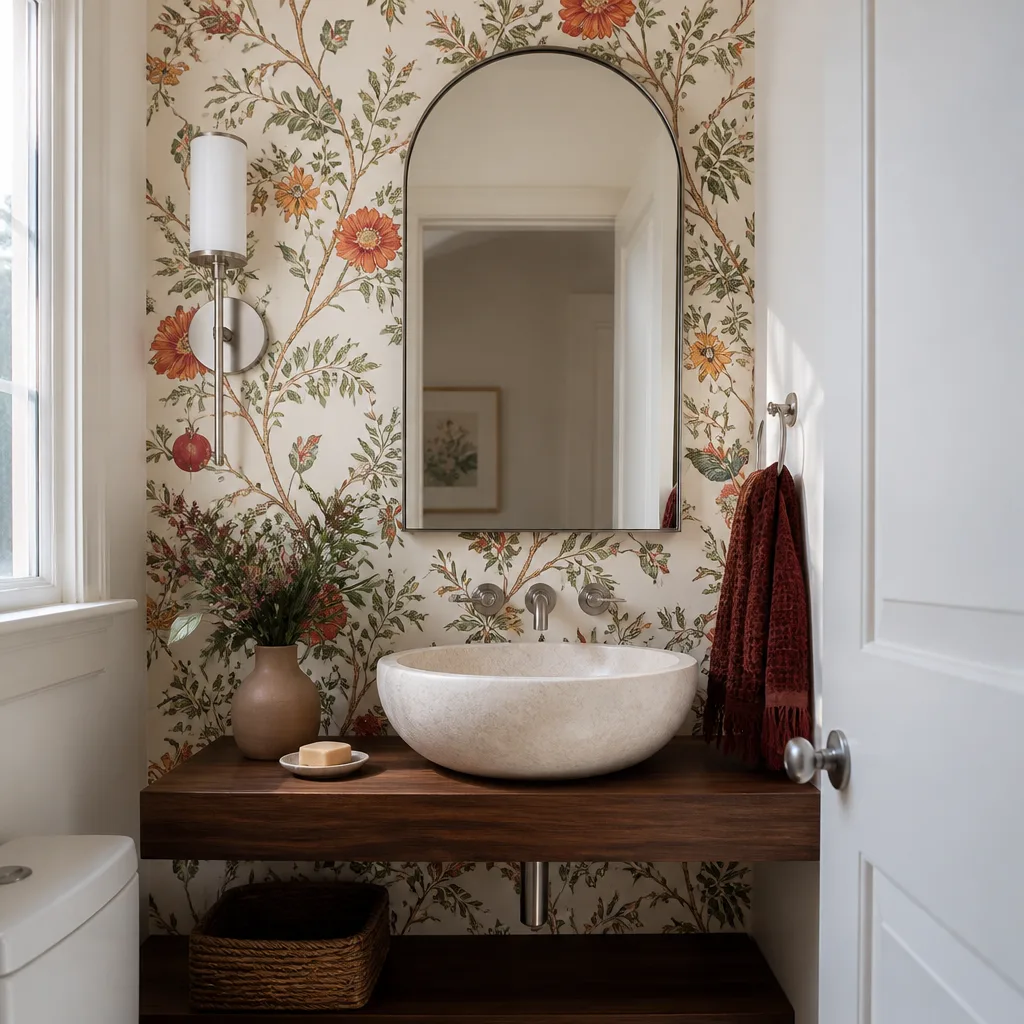
A full James Hardie-based bathroom remodel in Fort Lauderdale typically runs $9,000 – $28,000. Where you land in that range depends on three things: how many walls are open (a tub surround repair is less than a full walk-in shower rebuild), what finish materials you choose (builder-grade porcelain tile is far cheaper than large-format Italian tile with matching Schluter edge profiles), and whether we find hidden water damage once the old board comes off. Every project gets a written price before any work starts. That written number is the number on the invoice, even if we find a problem mid-job and have to fix it to make the work right: you approve any change in writing before it happens.
What’s included in our James Hardie bathroom work: demolition and disposal of failed material, new HardieBacker in the correct thickness for the application, proper taping and waterproofing at seams and corners (we use liquid membrane over the board on shower walls), then your chosen tile, grout, and trim. All labor carries our 365-Day Done Right Promise. If something we installed fails inside a year, we come back and fix it at no charge, no service call, no re-inspection fee. That’s in writing on every project.
DIY or Call Us?
You can safely do two things before picking up the phone. First, press on the walls in your shower surround and note where they flex or feel soft. Second, pull off the escutcheon plate around the showerhead or tub spout (two screws, no water shutoff needed) and look at what’s behind it. If you see paper-faced drywall instead of a gray cement board, or if the edges crumble like damp cardboard, you have your answer. What you should not do is try to demo and re-install backer board yourself. Cutting cement board creates silica dust that belongs behind a proper respirator, and a half-done waterproofing job fails in weeks, not decades. It’s the kind of repair where the material is cheap and the install knowledge is everything.
Call (754) 551-2922 and tell us what you’re seeing. We’ll price it in writing before a single tile comes off the wall.
FAQs
Properly installed HardieBacker lasts 30 to 50 years or longer; the product itself is resistant to mold, rot, and moisture. What fails first in Fort Lauderdale is almost always the installation around it: unsealed seams, wrong fasteners, or missing waterproofing at the tub flange. Call (754) 551-2922 and we’ll tell you in 15 minutes whether the board or the install is your problem.
In most cases, no. Once water has compromised the fasteners or the framing behind the board, the failed section has to come out and be replaced in kind. Small, localized cracks at a single seam can sometimes be re-taped and sealed, but that’s the exception, not the rule. We won’t charge you to look; call (754) 551-2922 for a free assessment.
A tub surround or single-wall repair is typically 3 to 5 working days from demo to grout; a full bathroom remodel runs 2 to 4 weeks depending on tile size and plumbing moves. You’ll get a written window before we start, and a real person answers the phone 24/7 if you need an update mid-job.
We keep ¼-inch and ½-inch HardieBacker on hand for Fort Lauderdale jobs, along with the correct backer screws, seam tape, and waterproofing membranes. We also install materials from KraftMaid, Cambria, and Silestone when the project calls for it. Call (754) 551-2922 with your board thickness and wall dimensions and we’ll confirm before we schedule.
Written by Trevor Nash, Owner, Penhallow Remodeling Fort Lauderdale at Penhallow Remodeling Fort Lauderdale, serving Fort Lauderdale and nearby areas.


