





Free written scope consultation - allowances, timeline, and change-order rules on paper before a single trade is scheduled
Quikrete Kitchen Remodeling: The Fort Lauderdale Owner’s Guide
Quikrete kitchen remodeling in Fort Lauderdale means replacing or repairing the cement-based substrates, underlayments, and surface layers behind your tile, countertops, and flooring. A full Quikrete-related kitchen remodel in Fort Lauderdale typically runs $14,000 – $45,000 depending on cabinet line, countertop material, and how much substrate work your slab home requires. Most homeowners discover they have a Quikrete issue not by looking at the bag, but when tile cracks, grout keeps crumbling, or the floor feels soft near the sink. If you’re holding a Quikrete product and the surrounding finish is failing, we can diagnose it and give you a written price before any work starts.
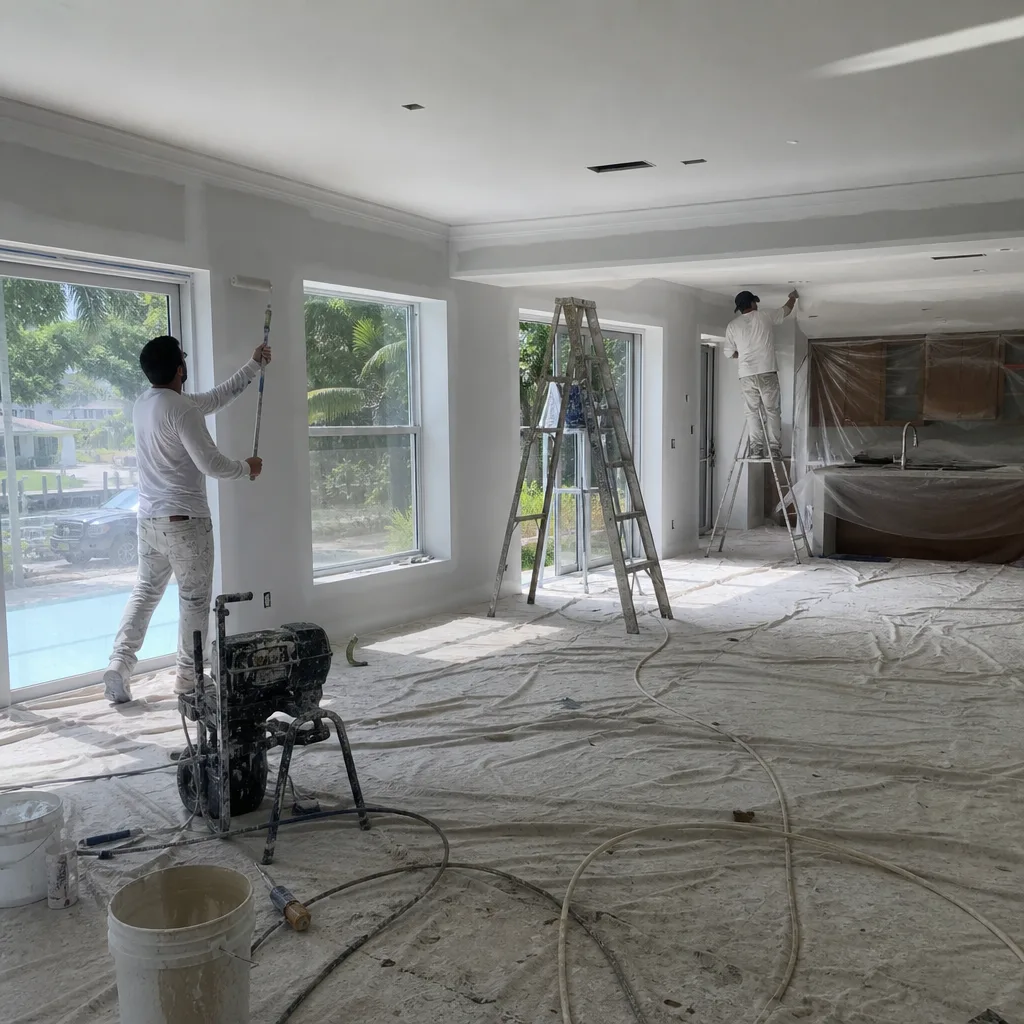
Penhallow Remodeling Fort Lauderdale is an independent contractor. We’re not a Quikrete dealer or affiliated with the company. We just work with their cement board, self-leveling underlayment, and mortar products regularly because they hold up well in South Florida’s heat and humidity when installed correctly.
Which Quikrete Models This Applies To
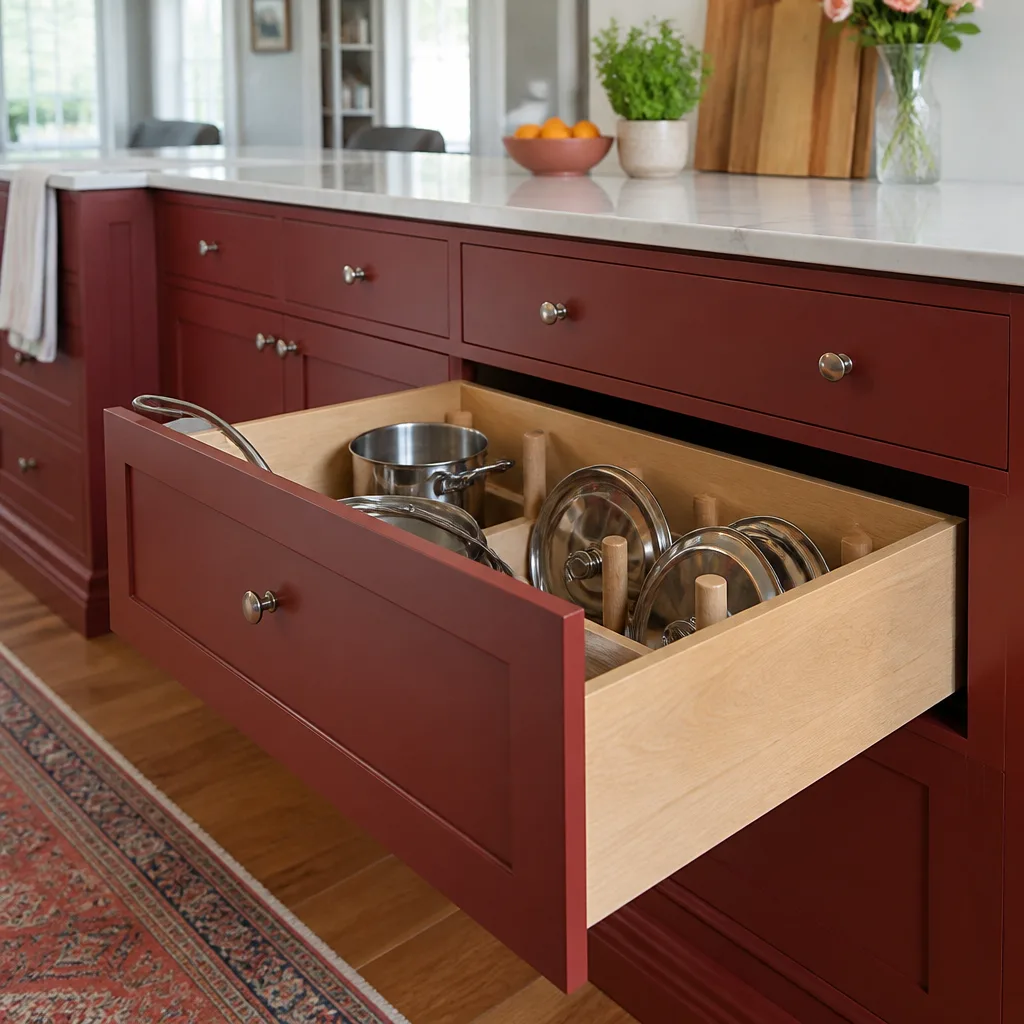
Quikrete doesn’t make “kitchen models” the way a cabinet company does. What matters is which Quikrete product family is sitting behind or under your kitchen surfaces. The three we see most often in Fort Lauderdale homes:
- Quikrete Cement Board (WonderBoard or HardieBacker equivalent): The half-inch panels behind shower walls, backsplashes, and sometimes floor tile. If your home was built or remodeled in the last 20 years, there’s a good chance this is what’s behind your tile.
- Quikrete Floor Mud / Sand Topping Mix: Used as a dry-pack mortar bed under tile floors, often over concrete slab. In Fort Lauderdale’s older ranch homes, this is frequently the original substrate.
- Quikrete Self-Leveling Underlayment: Poured over slab to flatten it before luxury vinyl plank, engineered wood, or large-format tile. If your floor has low spots or the slab was patched after plumbing work, this layer may be failing.
The compatibility gotcha: Quikrete mortar and underlayment products have specific cure-time and moisture requirements. Thinset over uncured self-leveler creates a bond failure that looks exactly like “the tile just let go.” We check the installation date and moisture level before deciding whether the part needs full replacement or can be re-bonded. For OEM versus aftermarket: cement board and mortar don’t have meaningful aftermarket equivalents. What matters is using the right product for the substrate below it, not the cheapest bag that says “cement” on it.
Styles & brands we work with







Signs Your Quikrete Kitchen Remodeling Is Failing
- Hollow-sounding tile: Tap a tile with a screwdriver handle. A hollow thud means the mortar bond to the Quikrete underlayment has broken. This is the earliest warning sign, and in humid Fort Lauderdale air, it gets worse within weeks.
- Cracks running in straight lines across multiple tiles: When cement board seams weren’t taped or the board wasn’t screwed on the proper schedule, the crack pattern follows the panel edges. This is a substrate failure, not a tile failure.
- Grout keeps crumbling in one area: If you re-grout the same section twice and it crumbles again, the floor or wall is moving. The Quikrete layer underneath has lost its bond or was mixed too dry.
- Soft or spongy floor near the refrigerator or sink: Water has gotten under the tile and is breaking down the mortar bed. On a slab home, this often means the self-leveler underneath has degraded from repeated moisture exposure.
- Efflorescence, which is that white chalky powder along the tile edges: Moisture is wicking through the cement board and carrying minerals to the surface. In Fort Lauderdale’s coastal air, this is more common than inland and means the waterproofing layer failed before the Quikrete ever did.
See the difference
 Before
 After
After Before
 After
After Before
 After
AfterReplacement Cost & What’s Included
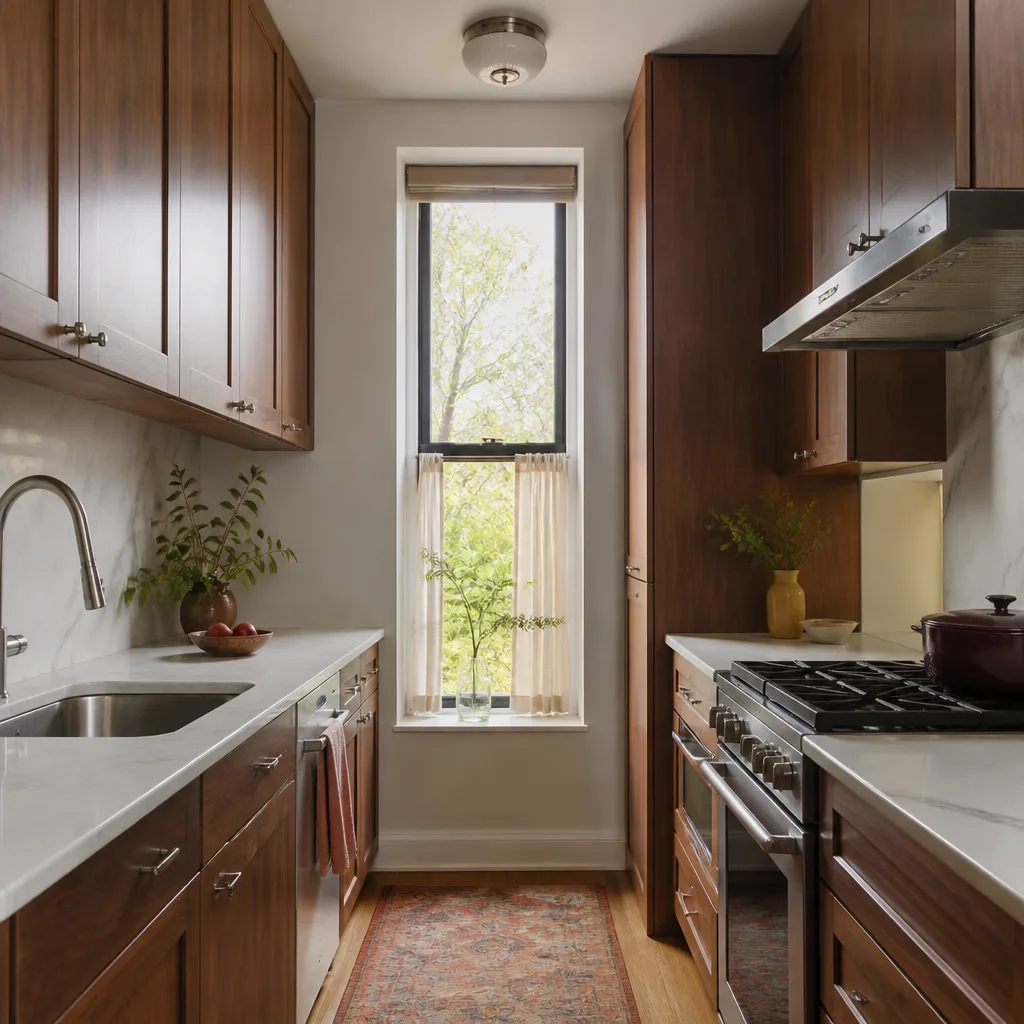
Kitchen remodeling tied to Quikrete substrate repair or replacement in Fort Lauderdale falls within the $14,000 – $45,000 range. The spread exists because a small galley kitchen with limited tile work sits at the low end, while a full gut renovation with new cabinetry, large-format tile, and island construction pushes toward the top. Here’s what typically drives the number:
| Scope | Typical Installed Range |
|---|---|
| Full kitchen remodel (cabinets, counters, substrate, tile) | $14,000 – $45,000 |
| Small kitchen remodel (limited footprint, basic finishes) | $9,000 – $20,000 |
| Countertop installation on repaired substrate | $2,000 – $6,500 |
| Backsplash installation over new cement board | $800 – $2,500 |
| Floor substrate repair plus new tile | $3,000 – $10,000 |
Every quote includes the parts and labor as one written number, not a parts estimate with labor billed separately after the fact. The 365-Day Done Right Promise covers the work in writing: if the repair fails inside the guarantee period, we come back and fix it at no charge. That includes a free second visit, no service call fee, no re-inspection fee.
DIY or Call Us?
You can safely check the obvious things: tap tiles for hollow sounds, look for straight-line cracks that follow a pattern, and feel for soft spots near water sources. If you find those signs, do not start prying up tile. The moment you pull tile off a failing substrate, you expose whatever moisture or structural issue caused the failure, and you’ve now committed to a repair path without knowing the full scope. What a homeowner can’t easily see is whether the Quikrete layer failed from install error, water intrusion, or slab movement. Misdiagnosing that means the new tile fails the same way in six months.
If you want a straight answer on what’s behind your tile and what it’ll cost to fix, call (754) 551-2922. We’ll inspect it and give you a written price. No charge for the estimate.
FAQs
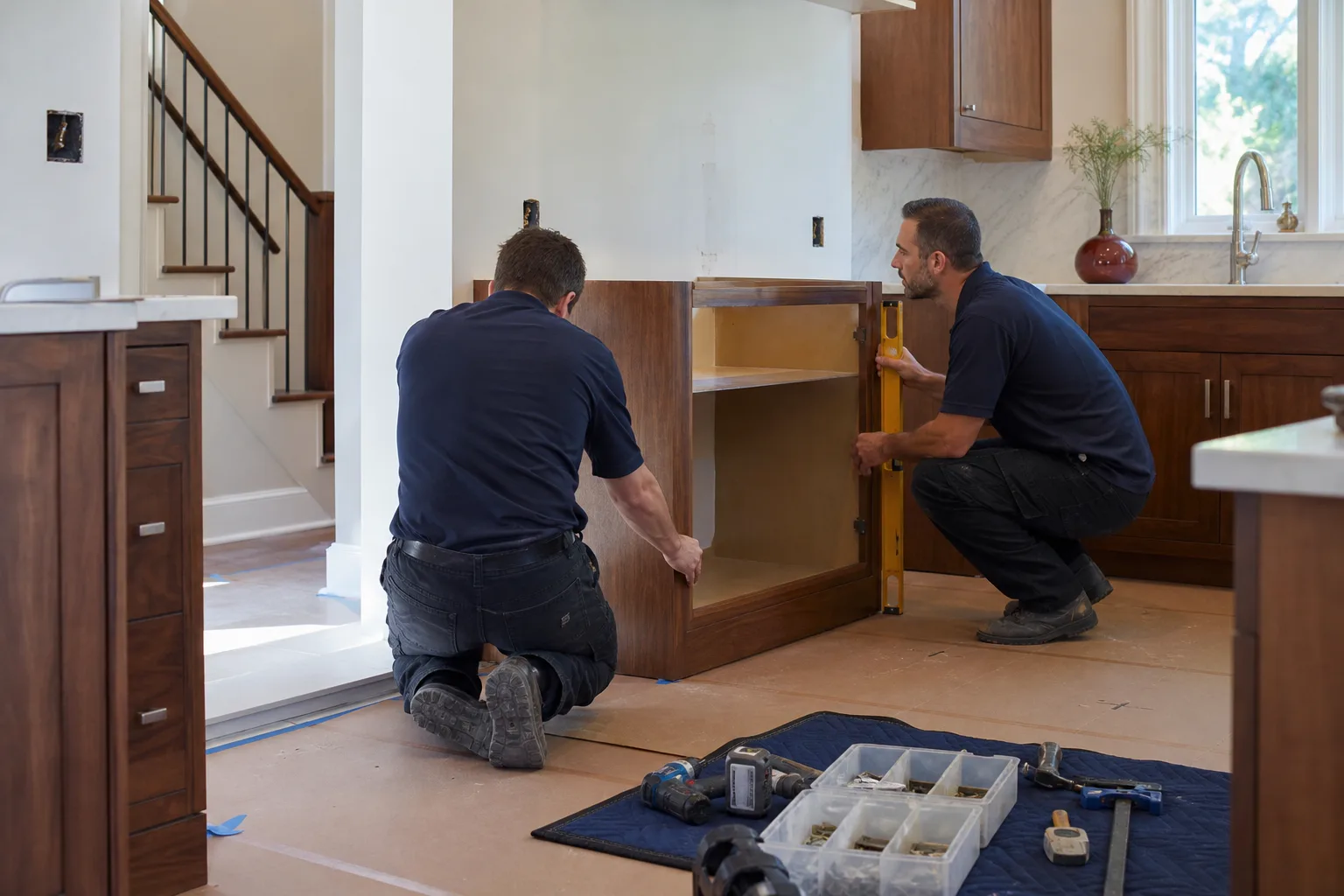
Properly installed Quikrete cement board lasts 30 to 50 years in a Fort Lauderdale kitchen, though the tile and grout above it may need attention sooner. The board itself rarely breaks down; what fails is the waterproofing layer above it, which in our coastal humidity typically lasts 10 to 20 years before moisture starts working through. Call (754) 551-2922 and we’ll tell you what’s actually failing before recommending any replacement.
Yes, in many cases. If the failure is localized, like one corner of the floor near the dishwasher, we can remove the affected tile, repair the substrate, and re-set the tile without gutting the whole kitchen. The repair path depends on moisture testing and how far the bond failure has spread. We’ll show you the test results and explain the options before any work is quoted.
A localized substrate repair in a Fort Lauderdale kitchen usually takes 3 to 5 working days, including demolition, repair, re-setting tile, and grout cure time. A full kitchen remodel where the entire floor substrate is replaced runs 6 to 10 weeks. We give you a written arrival window and the project schedule before work starts, so the timeline doesn’t surprise you.
We keep Quikrete cement board, thinset mortar, and self-leveling underlayment on our trucks for standard repair jobs. If your kitchen requires a specific product variant we don’t have loaded, we source it from a local Fort Lauderdale supplier the same day. Call (754) 551-2922 and tell us what you’re seeing; we’ll let you know if it’s a stock-and-go fix or needs a material order.
We also work with kitchen materials from KraftMaid, Cambria, and Silestone, along with other recognized trade brands, so the products behind the repair carry their own warranties alongside ours.
Written by Trevor Nash, Owner, Penhallow Remodeling Fort Lauderdale at Penhallow Remodeling Fort Lauderdale, serving Fort Lauderdale and nearby areas.


